
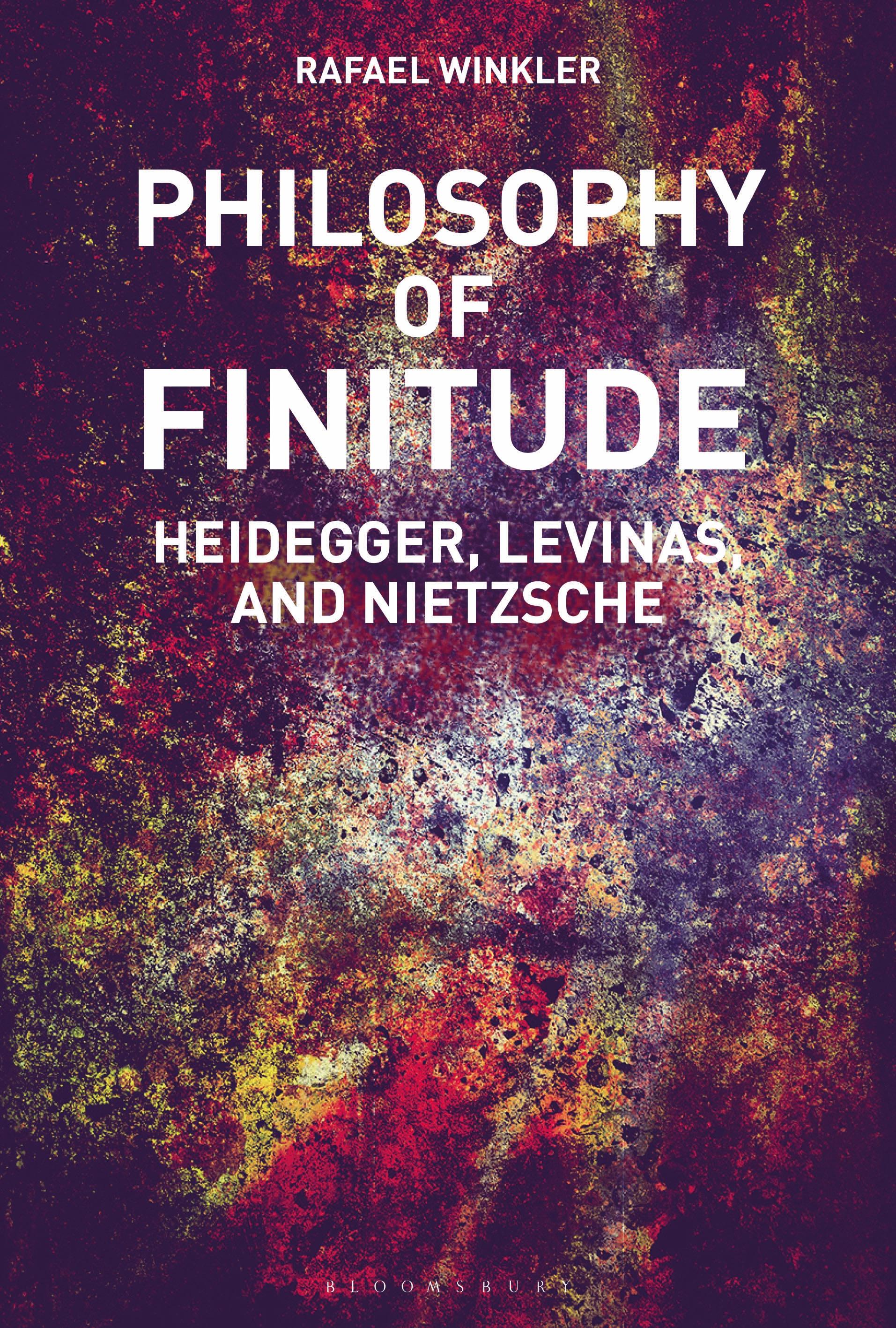
Examining the legacies of Heidegger, along with Derrida, Levinas and Nietzsche, Rafael Winkler argues that it is not the search for truth or even contradictions that stimulates philosophical thought. Instead, it is our exposure to the unthinkable or the impossible – to thought's own limits.
An experience of the unthinkable is possible in our encounter with the uniqueness of death, the singularity of being, and of the self and the other. This 'thinking of finitude' also has political implications, as it provides us with a way to talk about, and evaluate, absolute strangeness and, by implication, the absolute stranger or foreigner.
Illuminating Heidegger's writings on the question of ontology, ethics and history, Winkler proves that this encounter with thought's limits is one of the mainstays of the philosophies of difference of Heidegger, Levinas, and Nietzsche.
An experience of the unthinkable is possible in our encounter with the uniqueness of death, the singularity of being, and of the self and the other. This 'thinking of finitude' also has political implications, as it provides us with a way to talk about, and evaluate, absolute strangeness and, by implication, the absolute stranger or foreigner.
Illuminating Heidegger's writings on the question of ontology, ethics and history, Winkler proves that this encounter with thought's limits is one of the mainstays of the philosophies of difference of Heidegger, Levinas, and Nietzsche.
Betaal eenvoudig met kaart, Klarna, Apple Pay of Google Pay. Niet tevreden? Je hebt altijd 14 dagen bedenktijd. Lees meer in onze voorwaarden. Heb je vragen, mail ons dan via hello@memmo.org.
Memmo maakt studeren makkelijker – waar je ook bent ter wereld. Wij brengen je cursusboeken en slimme studietools samen op één plek: samenvattingen, quizzen, podcasts en flashcards. En Ted, je studievriend die antwoord geeft op alles wat je je afvraagt. Meer dan 50.000 studenten studeren hier al – gebouwd om je sneller te laten leren en minder stress te geven.