
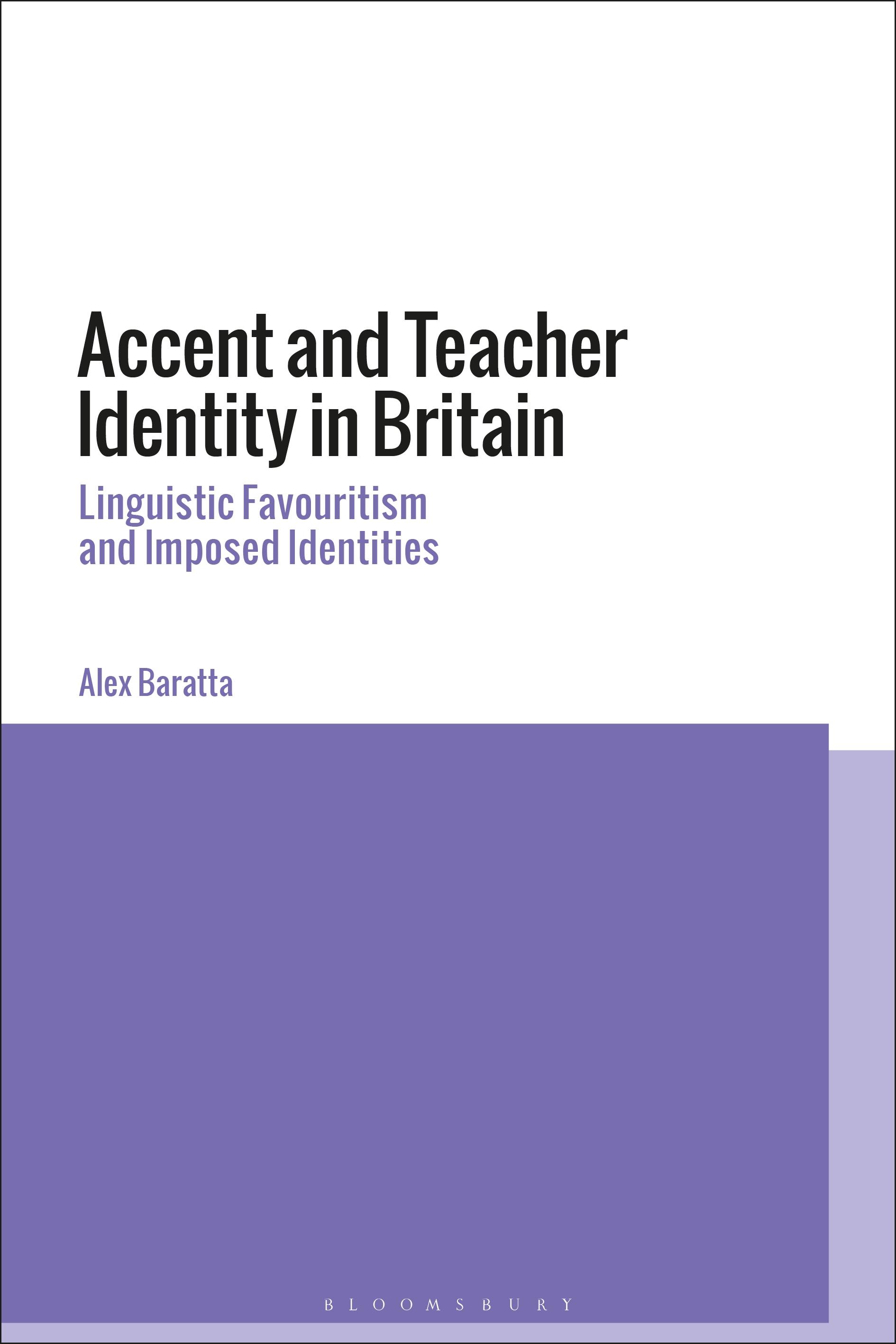
In British society, we celebrate diversity and champion equality across many areas, such as race and religion. However, where do British accents stand? Do notions such as 'common' or 'posh' still exist regarding certain accents, to the extent that people are deemed fit, or not, for certain professions, despite their qualifications? Accent and Teacher Identity in Britain explores these questions and Alex Baratta's research shows that those with accents regional to the North and Midlands are most likely to be told by mentors and senior staff to essentially sound less regional, whereas those from the Home Counties are less likely to be given instructions to change their accent at all. Baratta investigates the notion of linguistic power, in terms of which accents appear to be favoured within the context of teacher training and from the perspective of teachers who feel they lack power in the construction of their linguistic teacher identity. He also questions modifying one's accent to meet someone else's standard for what is 'linguistically appropriate', in terms of how such a modified accent impact on personal identity. Is accent modification regarded by the individual neutrally or is it seen as 'selling out'?
Betaal eenvoudig met kaart, Klarna, Apple Pay of Google Pay. Niet tevreden? Je hebt altijd 14 dagen bedenktijd. Lees meer in onze voorwaarden. Heb je vragen, mail ons dan via hello@memmo.org.
Memmo maakt studeren makkelijker – waar je ook bent ter wereld. Wij brengen je cursusboeken en slimme studietools samen op één plek: samenvattingen, quizzen, podcasts en flashcards. En Ted, je studievriend die antwoord geeft op alles wat je je afvraagt. Meer dan 50.000 studenten studeren hier al – gebouwd om je sneller te laten leren en minder stress te geven.