
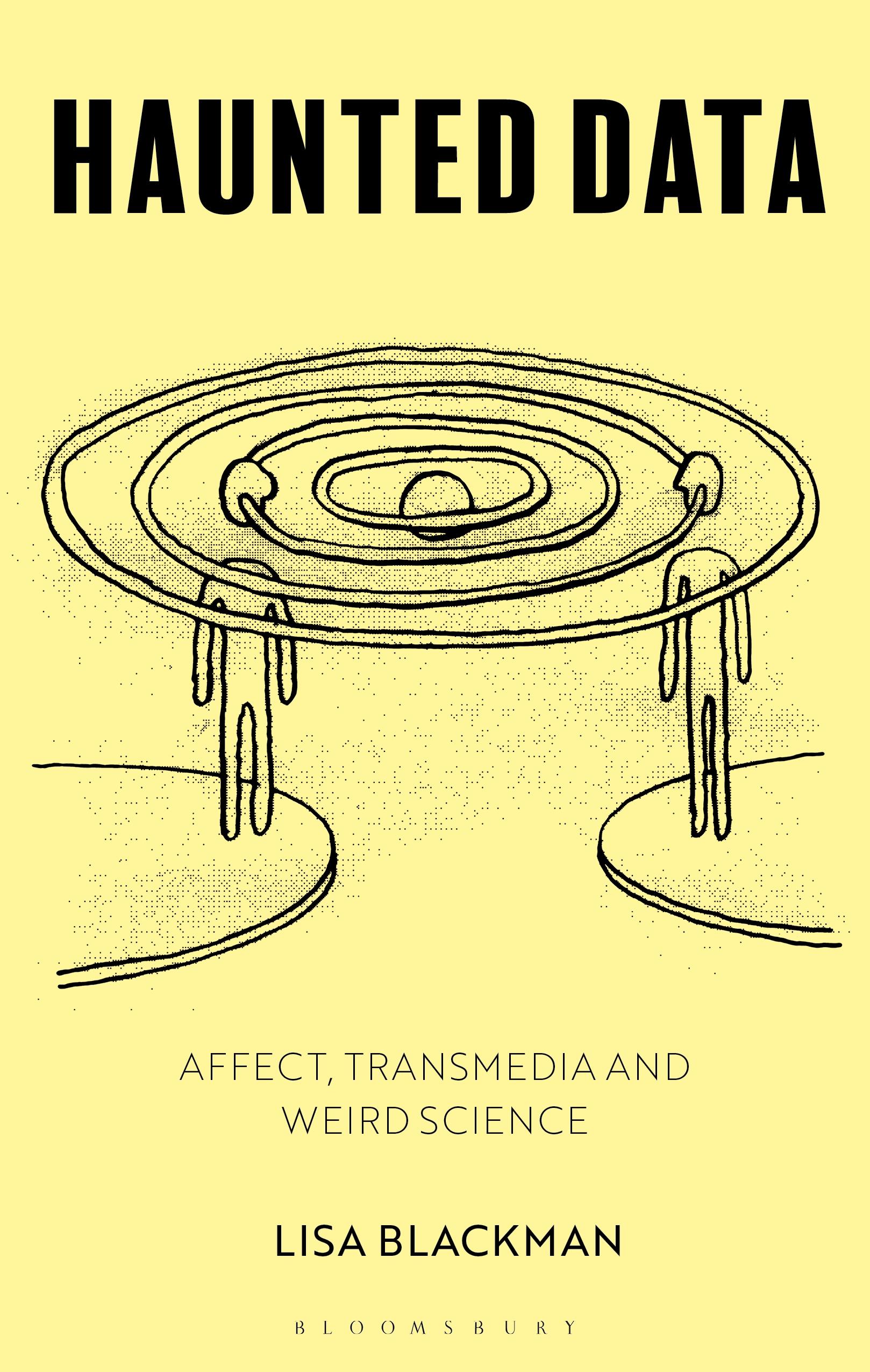
Haunted Data explores the concepts that are at work in our complex relationships with data. Our engagement with data – big or small – is never as simplistic or straightforward as might first appear. Indeed, Blackman argues that our relationship with data is haunted with errors, dead ends, ghostly figures, and misunderstandings that challenge core assumptions about the nature of thought, consciousness, mind, cognition, affect, communication, control and rationality, both human and non-human.
Using contemporary controversies from 'weird science' including the field of priming and its uncanny relations to animal telepathy, as well as artificial intelligences and their curious relation to psychic research ('clairvoyant computers'), Blackman shows how some of the current crises in science in these areas reveal more than scientists are willing or even able to acknowledge. In addition to proposing a new theory of how we might engage with data, Haunted Data also provides a nuanced survey of the historical context to contemporary debates, going back to the 19th Century origins of modern computation and science to explain the ubiquity and oddness of our data relations.
Drawing from radical philosophies of science, feminist science studies, queer theory, cultural studies, and the field of affect studies, the book develops a manifesto for how artists, philosophers and scientists might engage creatively and critically with science within the context of digital communication.
Using contemporary controversies from 'weird science' including the field of priming and its uncanny relations to animal telepathy, as well as artificial intelligences and their curious relation to psychic research ('clairvoyant computers'), Blackman shows how some of the current crises in science in these areas reveal more than scientists are willing or even able to acknowledge. In addition to proposing a new theory of how we might engage with data, Haunted Data also provides a nuanced survey of the historical context to contemporary debates, going back to the 19th Century origins of modern computation and science to explain the ubiquity and oddness of our data relations.
Drawing from radical philosophies of science, feminist science studies, queer theory, cultural studies, and the field of affect studies, the book develops a manifesto for how artists, philosophers and scientists might engage creatively and critically with science within the context of digital communication.
Betaal eenvoudig met kaart, Klarna, Apple Pay of Google Pay. Niet tevreden? Je hebt altijd 14 dagen bedenktijd. Lees meer in onze voorwaarden. Heb je vragen, mail ons dan via hello@memmo.org.
Memmo maakt studeren makkelijker – waar je ook bent ter wereld. Wij brengen je cursusboeken en slimme studietools samen op één plek: samenvattingen, quizzen, podcasts en flashcards. En Ted, je studievriend die antwoord geeft op alles wat je je afvraagt. Meer dan 50.000 studenten studeren hier al – gebouwd om je sneller te laten leren en minder stress te geven.