
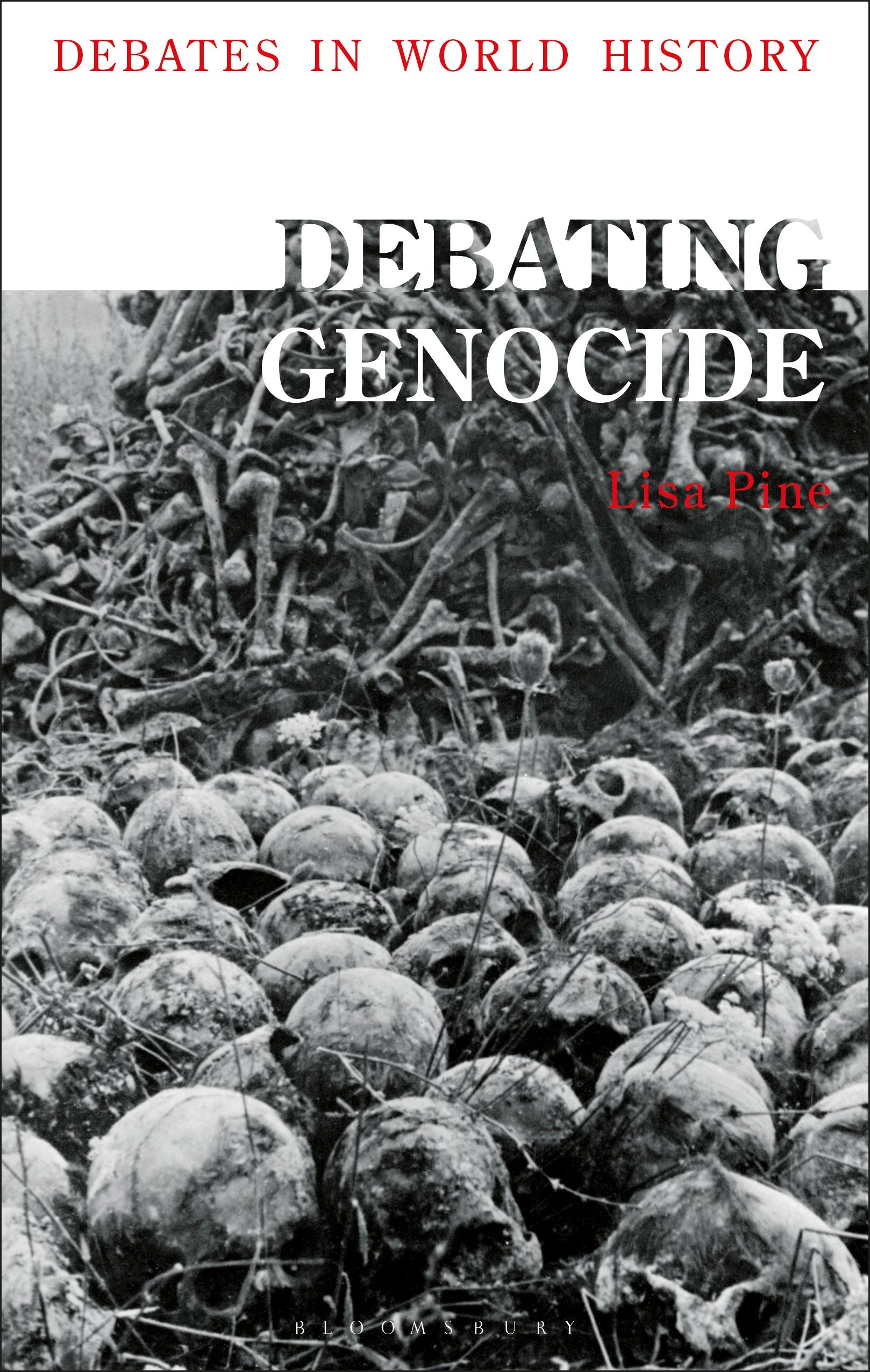
This book explores the subject of genocide through key debates and case studies. It analyses the dynamics of genocide – the processes and mechanisms of acts committed with the intention of destroying, in whole or in part, a national, ethnic, religious or racial group – in order to shed light upon its origins, characteristics and consequences.
Debating Genocide begins with an introduction to the concept of genocide. It then examines the colonial genocides at the end of the 19th- and start of the 20th-centuries; the Armenian Genocide of 1915-16; the Nazi 'Final Solution'; the Nazi genocide of the Gypsies; mass murder in Cambodia under the Khmer Rouge; the genocides in the 1990s in the former Yugoslavia and Rwanda; and the genocide in Sudan in the early 21st century. It also includes a thematic chapter which covers gender and genocide, as well as issues of memory and memorialisation. Finally, the book considers how genocides end, as well as the questions of resolution and denial, with Lisa Pine examining the debates around prediction and prevention and the R2P (Responsibility to Protect) initiative.
This book is crucial for any students wanting to understand why genocides have occurred, why they still occur and what the key historical discussions around this subject entail.
Debating Genocide begins with an introduction to the concept of genocide. It then examines the colonial genocides at the end of the 19th- and start of the 20th-centuries; the Armenian Genocide of 1915-16; the Nazi 'Final Solution'; the Nazi genocide of the Gypsies; mass murder in Cambodia under the Khmer Rouge; the genocides in the 1990s in the former Yugoslavia and Rwanda; and the genocide in Sudan in the early 21st century. It also includes a thematic chapter which covers gender and genocide, as well as issues of memory and memorialisation. Finally, the book considers how genocides end, as well as the questions of resolution and denial, with Lisa Pine examining the debates around prediction and prevention and the R2P (Responsibility to Protect) initiative.
This book is crucial for any students wanting to understand why genocides have occurred, why they still occur and what the key historical discussions around this subject entail.
Betaal eenvoudig met kaart, Klarna, Apple Pay of Google Pay. Niet tevreden? Je hebt altijd 14 dagen bedenktijd. Lees meer in onze voorwaarden. Heb je vragen, mail ons dan via hello@memmo.org.
Memmo maakt studeren makkelijker – waar je ook bent ter wereld. Wij brengen je cursusboeken en slimme studietools samen op één plek: samenvattingen, quizzen, podcasts en flashcards. En Ted, je studievriend die antwoord geeft op alles wat je je afvraagt. Meer dan 50.000 studenten studeren hier al – gebouwd om je sneller te laten leren en minder stress te geven.