
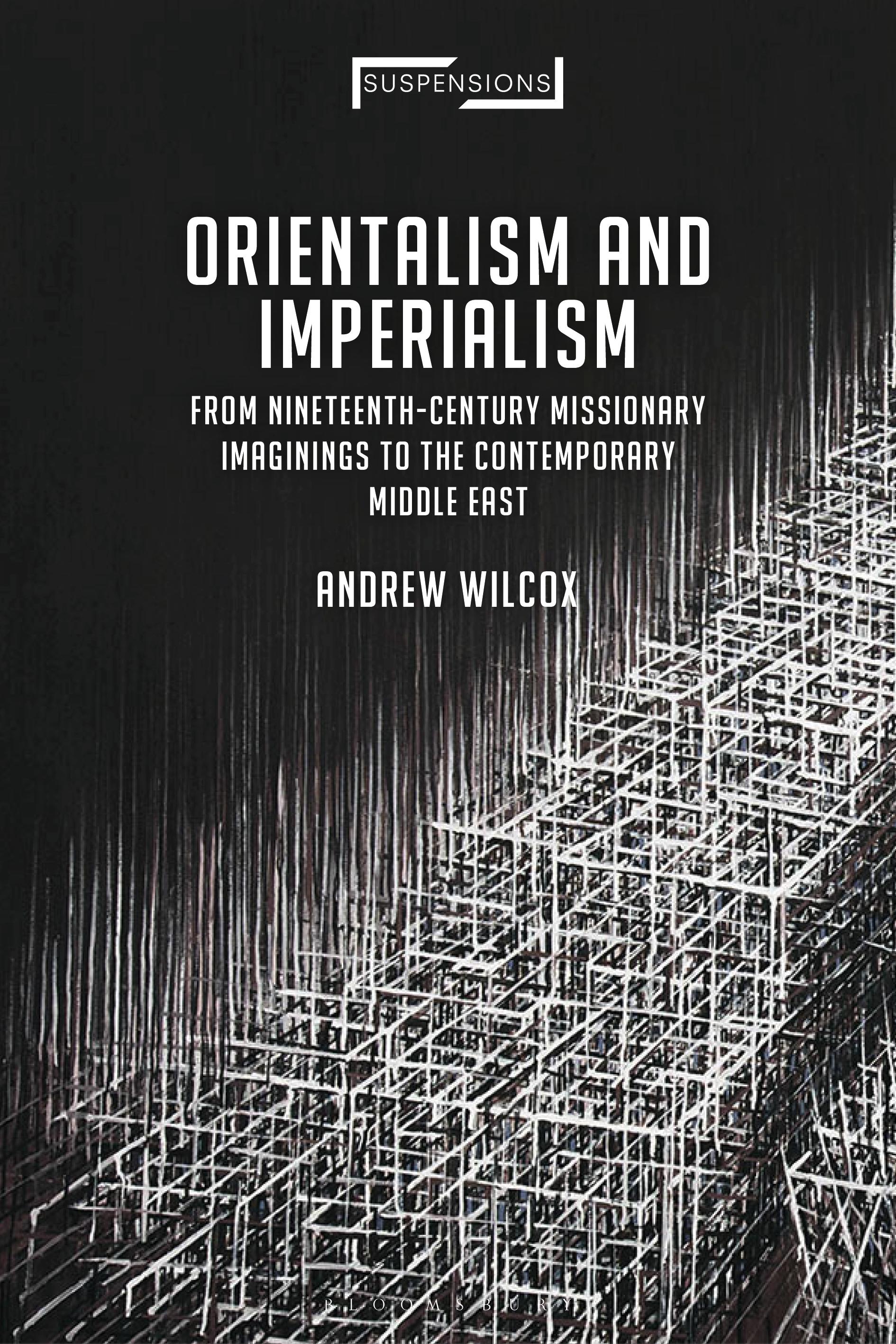
Using the work of Edward Said as a point of departure, this book dissects the concept of Orientalism through the lens of 19th century missionary impressions of Kurdistan. Wilcox argues that dominant interpretations of Said's work have a tendency to present Orientalism as an essentialist practice and instead offers an alternative manifestation in which the Oriental is perceived as the mutable product of cultural forces.
The relationship between missionaries and imperialism has long been a contentious issue with many scholars highlighting their apparent ambiguity. This study reveals how Protestant missionaries can be identified as anti-imperialist in their rhetoric of ecumenical independence; yet through their preconceptions of Oriental inferiority, they contributed to a more subtle undermining of local forms of knowledge and identity. Wilcox argues that this apparent ambiguity is in part a consequence of the ways in which the term imperialism is frequently used to allude to diverse and even contradictory meanings; therefore it is not so much the missionaries who are ambiguous, as the ways in which they are judged by today's multivalent standards. The analysis also makes clear the complex discursive processes which can undermine the actions of altruistic individuals.
By drawing threads from this 19th century example into the current geopolitical foreground of Middle East-West relations, this book not only sheds light upon a little-known historical case study but also illuminates larger questions of the present and future encouraging a more vigorous examination of contemporary Orientalist prejudices.
The relationship between missionaries and imperialism has long been a contentious issue with many scholars highlighting their apparent ambiguity. This study reveals how Protestant missionaries can be identified as anti-imperialist in their rhetoric of ecumenical independence; yet through their preconceptions of Oriental inferiority, they contributed to a more subtle undermining of local forms of knowledge and identity. Wilcox argues that this apparent ambiguity is in part a consequence of the ways in which the term imperialism is frequently used to allude to diverse and even contradictory meanings; therefore it is not so much the missionaries who are ambiguous, as the ways in which they are judged by today's multivalent standards. The analysis also makes clear the complex discursive processes which can undermine the actions of altruistic individuals.
By drawing threads from this 19th century example into the current geopolitical foreground of Middle East-West relations, this book not only sheds light upon a little-known historical case study but also illuminates larger questions of the present and future encouraging a more vigorous examination of contemporary Orientalist prejudices.
Pagina's: 224
Categorie: Kultur-, Genus- & Postkoloniala studier
e-ISBN: 9781350033801
Verzendgewicht: 1.2 kg
Verzending binnen: 1-2 dagen
Betaal eenvoudig met kaart, Klarna, Apple Pay of Google Pay. Niet tevreden? Je hebt altijd 14 dagen bedenktijd. Lees meer in onze voorwaarden. Heb je vragen, mail ons dan via hello@memmo.org.
Memmo maakt studeren makkelijker – waar je ook bent ter wereld. Wij brengen je cursusboeken en slimme studietools samen op één plek: samenvattingen, quizzen, podcasts en flashcards. En Ted, je studievriend die antwoord geeft op alles wat je je afvraagt. Meer dan 50.000 studenten studeren hier al – gebouwd om je sneller te laten leren en minder stress te geven.