
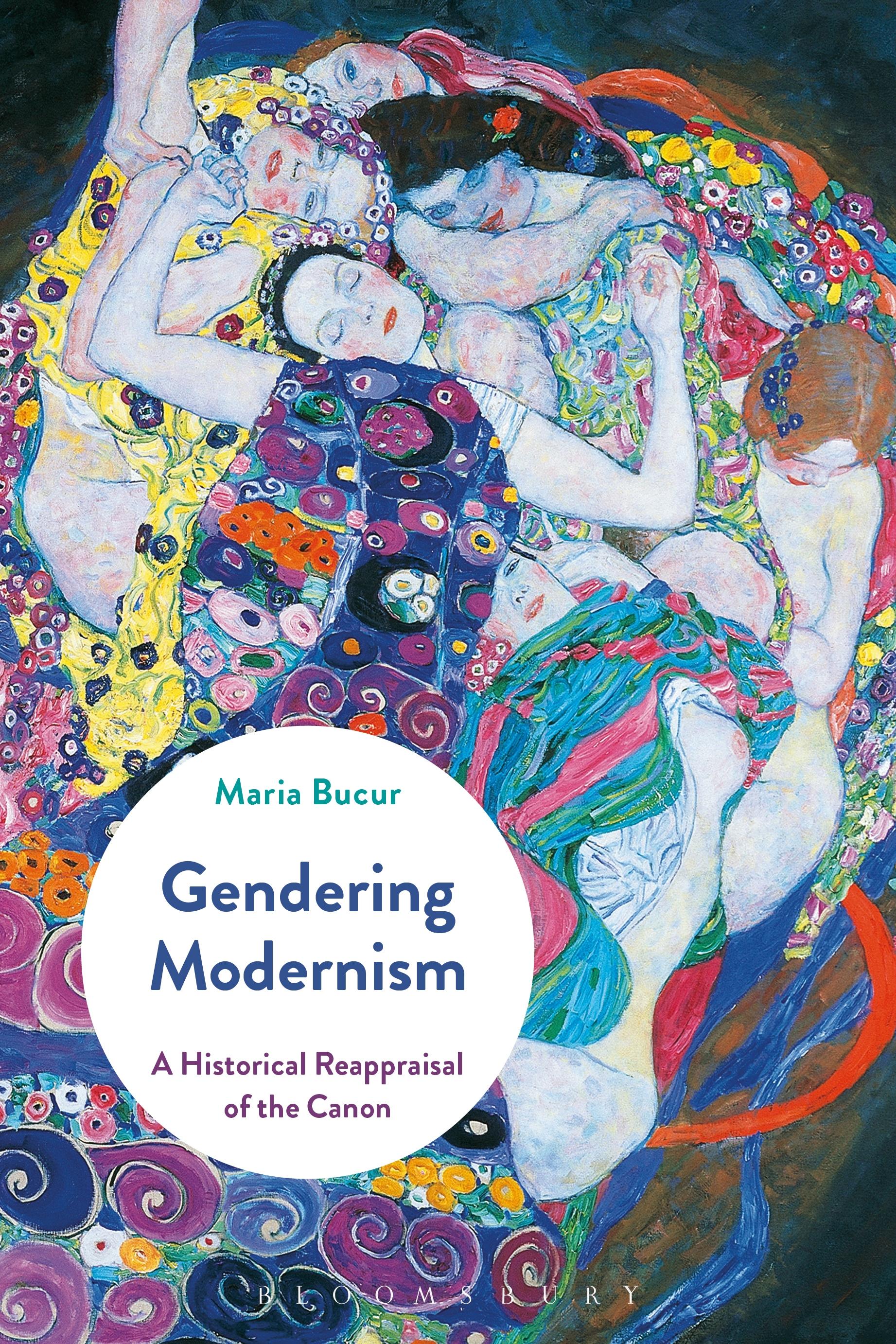
Gendering Modernism offers a critical reappraisal of the modernist movement, asking how gender norms of the time shaped the rebellion of the self-avowed modernists and examining the impact of radical gender reformers on modernism.
Focusing primarily on the connections between North American and European modernists, Maria Bucur explains why it is imperative that we consider the gender angles of modernism as a way to understand the legacies of the movement. She provides an overview of the scholarship on modernism and an analysis of how definitions of modernism have evolved with that scholarship. Interweaving vivid case studies from before the Great War to the interwar period - looking at individual modernists from Ibsen to Picasso, Hannah Höch to Josephine Baker - she covers various fields such as art, literature, theatre and film, whilst also demonstrating how modernism manifested itself in the major social-political and cultural shifts of the 20th century, including feminism, psychology, sexology, eugenics, nudism, anarchism, communism and fascism.
This is a fresh and wide-ranging investigation of modernism which expands our definition of the movement, integrating gender analysis and thereby opening up new lines of enquiry. Written in a lively and accessible style, Gendering Modernism is a crucial intervention into the literature which should be read by all students and scholars of the modernist movement as well 20th-century history and gender studies more broadly.
Focusing primarily on the connections between North American and European modernists, Maria Bucur explains why it is imperative that we consider the gender angles of modernism as a way to understand the legacies of the movement. She provides an overview of the scholarship on modernism and an analysis of how definitions of modernism have evolved with that scholarship. Interweaving vivid case studies from before the Great War to the interwar period - looking at individual modernists from Ibsen to Picasso, Hannah Höch to Josephine Baker - she covers various fields such as art, literature, theatre and film, whilst also demonstrating how modernism manifested itself in the major social-political and cultural shifts of the 20th century, including feminism, psychology, sexology, eugenics, nudism, anarchism, communism and fascism.
This is a fresh and wide-ranging investigation of modernism which expands our definition of the movement, integrating gender analysis and thereby opening up new lines of enquiry. Written in a lively and accessible style, Gendering Modernism is a crucial intervention into the literature which should be read by all students and scholars of the modernist movement as well 20th-century history and gender studies more broadly.
Betaal eenvoudig met kaart, Klarna, Apple Pay of Google Pay. Niet tevreden? Je hebt altijd 14 dagen bedenktijd. Lees meer in onze voorwaarden. Heb je vragen, mail ons dan via hello@memmo.org.
Memmo maakt studeren makkelijker – waar je ook bent ter wereld. Wij brengen je cursusboeken en slimme studietools samen op één plek: samenvattingen, quizzen, podcasts en flashcards. En Ted, je studievriend die antwoord geeft op alles wat je je afvraagt. Meer dan 50.000 studenten studeren hier al – gebouwd om je sneller te laten leren en minder stress te geven.