
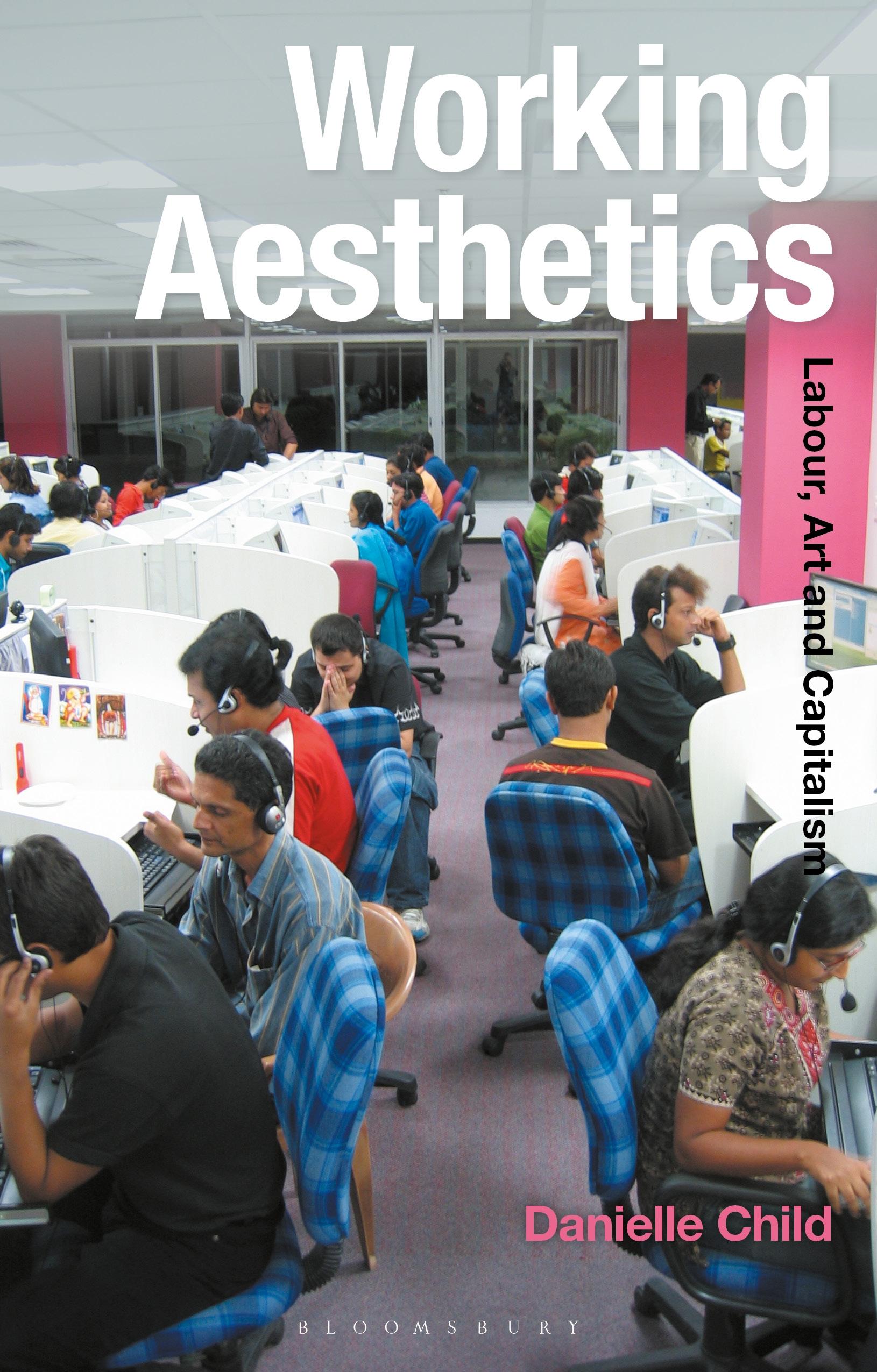
Working Aesthetics is about the relationship between art and work under contemporary capitalism. Whilst labour used to be regarded as an unattractive subject for art, the proximity of work to everyday life has subsequently narrowed the gap between work and art. The artist is no longer considered apart from the economic, but is heralded as an example of how to work in neoliberal management textbooks. As work and life become obscured within the contemporary period, this book asks how artistic practice is affected, including those who labour for artists. Through a series of case studies, Working Aesthetics critically examines the moments in which labour and art intersect under capitalism. When did labour disappear from art production, or accounts of art history? Can we consider the dematerialization of art in the 1960s in relation to the deskilling of work? And how has neoliberal management theory adopting the artist as model worker affected artistic practices in the 21st century?
With the narrowing of work and art visible in galleries and art discourse today, Working Aesthetics takes a step back to ask why labour has become a valid subject for contemporary art, and explores what this means for aesthetic culture today.
With the narrowing of work and art visible in galleries and art discourse today, Working Aesthetics takes a step back to ask why labour has become a valid subject for contemporary art, and explores what this means for aesthetic culture today.
Betaal eenvoudig met kaart, Klarna, Apple Pay of Google Pay. Niet tevreden? Je hebt altijd 14 dagen bedenktijd. Lees meer in onze voorwaarden. Heb je vragen, mail ons dan via hello@memmo.org.
Memmo maakt studeren makkelijker – waar je ook bent ter wereld. Wij brengen je cursusboeken en slimme studietools samen op één plek: samenvattingen, quizzen, podcasts en flashcards. En Ted, je studievriend die antwoord geeft op alles wat je je afvraagt. Meer dan 50.000 studenten studeren hier al – gebouwd om je sneller te laten leren en minder stress te geven.