
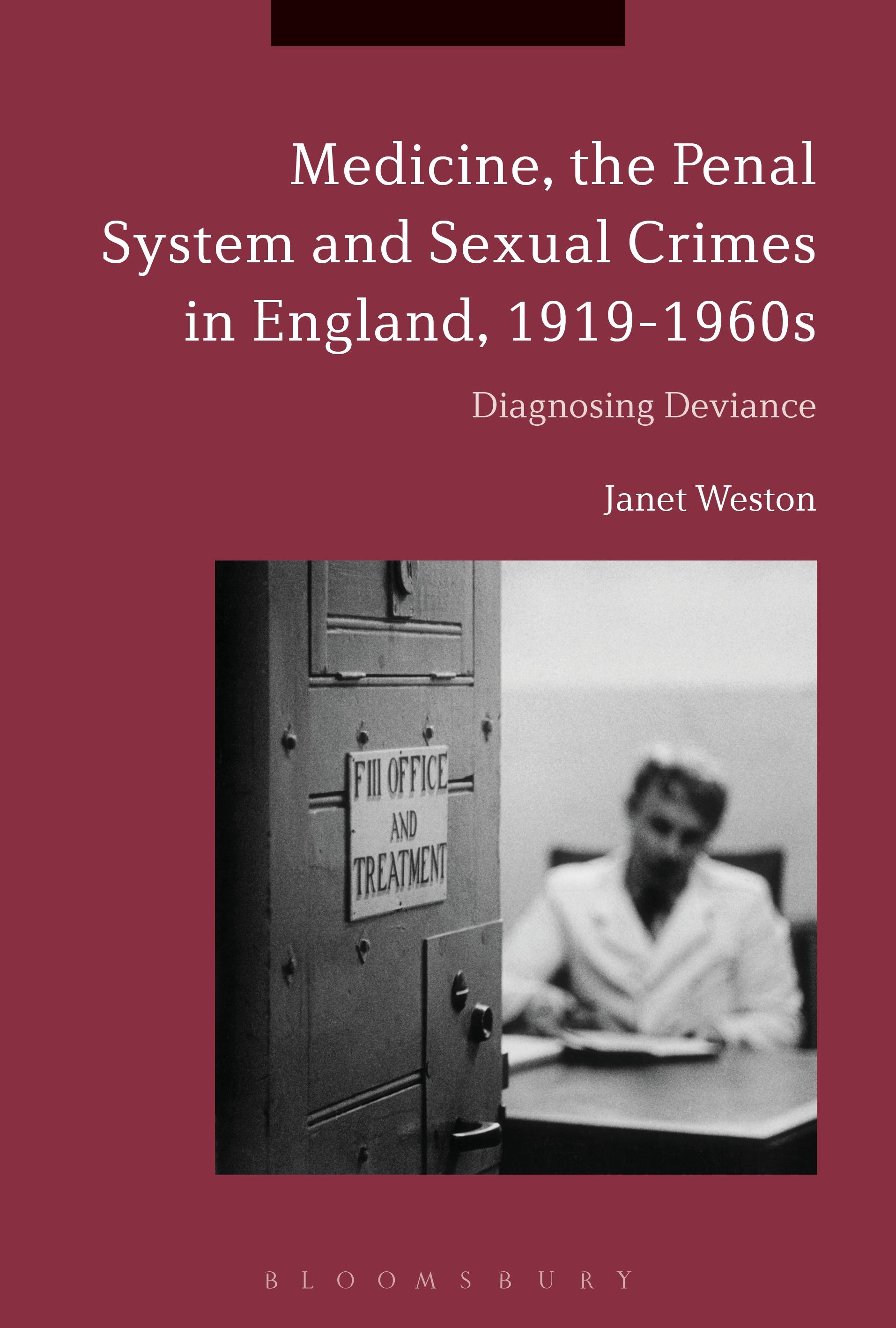
Sexual crime, past and present, is rarely far from the headlines. How these crimes are punished, policed and understood has changed considerably over the last century. From hormone injections to cognitive behavioural therapy, medical and psychological approaches to sexual offenders have proliferated. This book sets out the history of such theories and treatments in England.
Beginning in the early 20th century, it traces the evolution of medical interest in the mental state of those convicted of sexual crime. As part of a broader interest in individualised responses to crime as a means to rehabilitation, doctors offered new explanations for some sexual crimes, proposed new solutions, and attempted to deliver new cures. From indecent exposure to homosexuality between men, from sadistic violence to thefts of underwear from washing lines, the interpretation and treatment of some sexual offences was thought to be complex. Of less medical interest, though, were offences against children, prostitution, and rape.
Using a range of material, including medical and criminological texts, trial proceedings, government reports, newspapers, and autobiographies and memoirs, Janet Weston offers powerful insights into changing medico-legal practices and attitudes towards sex and health. She highlights the importance of prison doctors and rehabilitative programmes within prisons, psychoanalytically-minded private practitioners, and the interactions between medical and legal systems as medical theories were put into practice. She also reveals the extent and legacy of medical thought, as well as the limitations of a medical approach to sexual crime.
Beginning in the early 20th century, it traces the evolution of medical interest in the mental state of those convicted of sexual crime. As part of a broader interest in individualised responses to crime as a means to rehabilitation, doctors offered new explanations for some sexual crimes, proposed new solutions, and attempted to deliver new cures. From indecent exposure to homosexuality between men, from sadistic violence to thefts of underwear from washing lines, the interpretation and treatment of some sexual offences was thought to be complex. Of less medical interest, though, were offences against children, prostitution, and rape.
Using a range of material, including medical and criminological texts, trial proceedings, government reports, newspapers, and autobiographies and memoirs, Janet Weston offers powerful insights into changing medico-legal practices and attitudes towards sex and health. She highlights the importance of prison doctors and rehabilitative programmes within prisons, psychoanalytically-minded private practitioners, and the interactions between medical and legal systems as medical theories were put into practice. She also reveals the extent and legacy of medical thought, as well as the limitations of a medical approach to sexual crime.
Pagina's: 216
Categorie: Kriminologi
e-ISBN: 9781350021082
Verzendgewicht: 1.2 kg
Verzending binnen: 1-2 dagen
Betaal eenvoudig met kaart, Klarna, Apple Pay of Google Pay. Niet tevreden? Je hebt altijd 14 dagen bedenktijd. Lees meer in onze voorwaarden. Heb je vragen, mail ons dan via hello@memmo.org.
Memmo maakt studeren makkelijker – waar je ook bent ter wereld. Wij brengen je cursusboeken en slimme studietools samen op één plek: samenvattingen, quizzen, podcasts en flashcards. En Ted, je studievriend die antwoord geeft op alles wat je je afvraagt. Meer dan 50.000 studenten studeren hier al – gebouwd om je sneller te laten leren en minder stress te geven.