
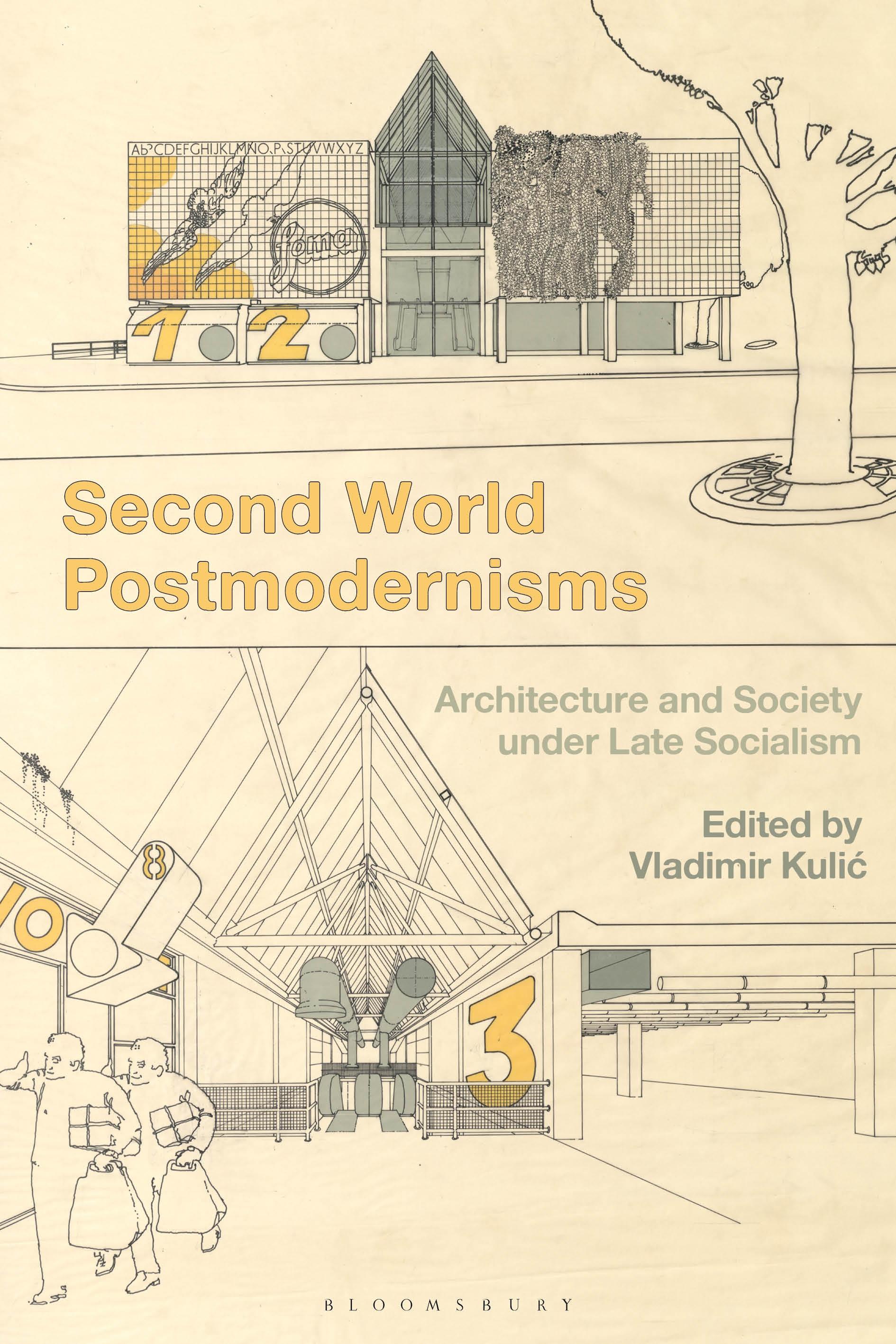
If postmodernism is indeed 'the cultural logic of late capitalism', why did typical postmodernist themes like ornament, colour, history and identity find their application in the architecture of the socialist Second World? How do we explain the retreat into paper architecture and theoretical discussion in societies still nominally devoted to socialist modernization?
Exploring the intersection of two areas of growing scholarly interest - postmodernism and the architecture of the former socialist world - this edited collection stakes out new ground in charting architecture's various transformations in the 1970s and 80s. Fourteen essays together explore the question of whether or not architectural postmodernism had a specific Second World variant.
The collection demonstrates both the unique nature of Second World architectural phenomena and also assesses connections with western postmodernism. The case studies cover the vast geographical scope from Eastern Europe to China and Cuba. They address a wealth of aesthetic, discursive and practical phenomena, interpreting them in the broader socio-political context of the last decades of the Cold War. The result provides a greatly expanded map of recent architectural history, which redefines postmodernist architecture in a more theoretically comprehensive and global way.
Exploring the intersection of two areas of growing scholarly interest - postmodernism and the architecture of the former socialist world - this edited collection stakes out new ground in charting architecture's various transformations in the 1970s and 80s. Fourteen essays together explore the question of whether or not architectural postmodernism had a specific Second World variant.
The collection demonstrates both the unique nature of Second World architectural phenomena and also assesses connections with western postmodernism. The case studies cover the vast geographical scope from Eastern Europe to China and Cuba. They address a wealth of aesthetic, discursive and practical phenomena, interpreting them in the broader socio-political context of the last decades of the Cold War. The result provides a greatly expanded map of recent architectural history, which redefines postmodernist architecture in a more theoretically comprehensive and global way.
Betaal eenvoudig met kaart, Klarna, Apple Pay of Google Pay. Niet tevreden? Je hebt altijd 14 dagen bedenktijd. Lees meer in onze voorwaarden. Heb je vragen, mail ons dan via hello@memmo.org.
Memmo maakt studeren makkelijker – waar je ook bent ter wereld. Wij brengen je cursusboeken en slimme studietools samen op één plek: samenvattingen, quizzen, podcasts en flashcards. En Ted, je studievriend die antwoord geeft op alles wat je je afvraagt. Meer dan 50.000 studenten studeren hier al – gebouwd om je sneller te laten leren en minder stress te geven.