
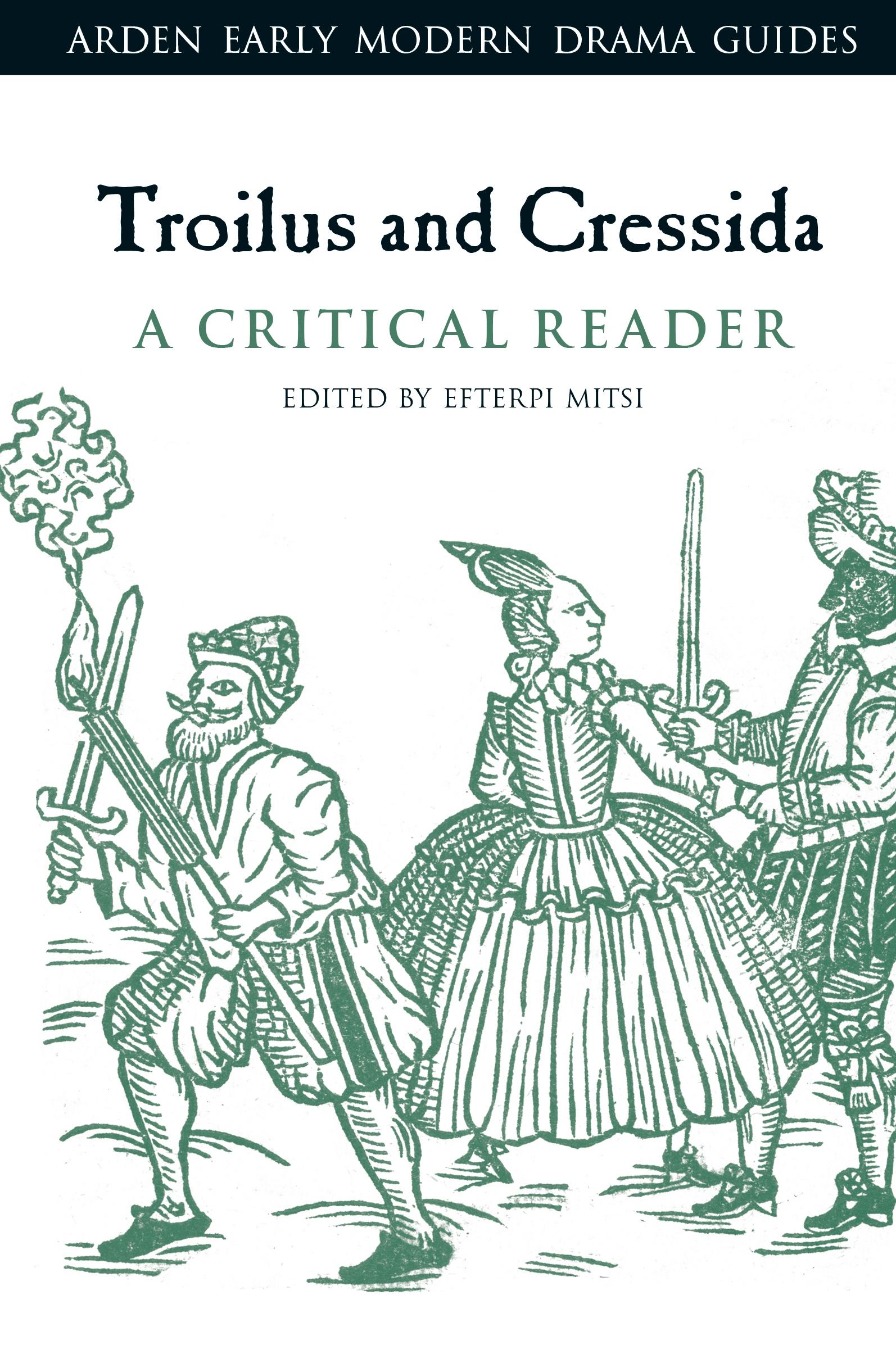
Troilus and Cressida: A Critical Reader offers an accessible and thought-provoking guide to this complex problem play, surveying its key themes and evolving critical preoccupations. Considering its generic ambiguity and experimentalism, it also provides a uniquely detailed and up-to-date history of the play's stage performance from Dryden's rewriting up to Mark Ravenhill and Elizabeth LeCompte's controversial 2012 production for the Royal Shakespeare Company and the Wooster Group.
Moving through to four new critical essays, the guide opens up fresh perspectives on the play's iconoclastic nature and its key themes, ranging from issues of gender and sexuality to Elizabethan politics, from the uses of antiquity to questions of cultural translation, with particular attention paid on Troilus' “Greekness”.
The volume finishes with a helpful guide to critical and web-based resources. Discussing the ways in which this challenging and acerbic play can be brought to life in the classroom, it suggests performance-based strategies, designed to engage with the dramaturgical and theatrical dimensions of the text; close-reading exercises with an emphasis on rhetoric, metaphor and the practice of “troping”; and a series of tools designed to situate the play in a range of contexts, including its classical and critical frameworks.
Moving through to four new critical essays, the guide opens up fresh perspectives on the play's iconoclastic nature and its key themes, ranging from issues of gender and sexuality to Elizabethan politics, from the uses of antiquity to questions of cultural translation, with particular attention paid on Troilus' “Greekness”.
The volume finishes with a helpful guide to critical and web-based resources. Discussing the ways in which this challenging and acerbic play can be brought to life in the classroom, it suggests performance-based strategies, designed to engage with the dramaturgical and theatrical dimensions of the text; close-reading exercises with an emphasis on rhetoric, metaphor and the practice of “troping”; and a series of tools designed to situate the play in a range of contexts, including its classical and critical frameworks.
Betaal eenvoudig met kaart, Klarna, Apple Pay of Google Pay. Niet tevreden? Je hebt altijd 14 dagen bedenktijd. Lees meer in onze voorwaarden. Heb je vragen, mail ons dan via hello@memmo.org.
Memmo maakt studeren makkelijker – waar je ook bent ter wereld. Wij brengen je cursusboeken en slimme studietools samen op één plek: samenvattingen, quizzen, podcasts en flashcards. En Ted, je studievriend die antwoord geeft op alles wat je je afvraagt. Meer dan 50.000 studenten studeren hier al – gebouwd om je sneller te laten leren en minder stress te geven.