
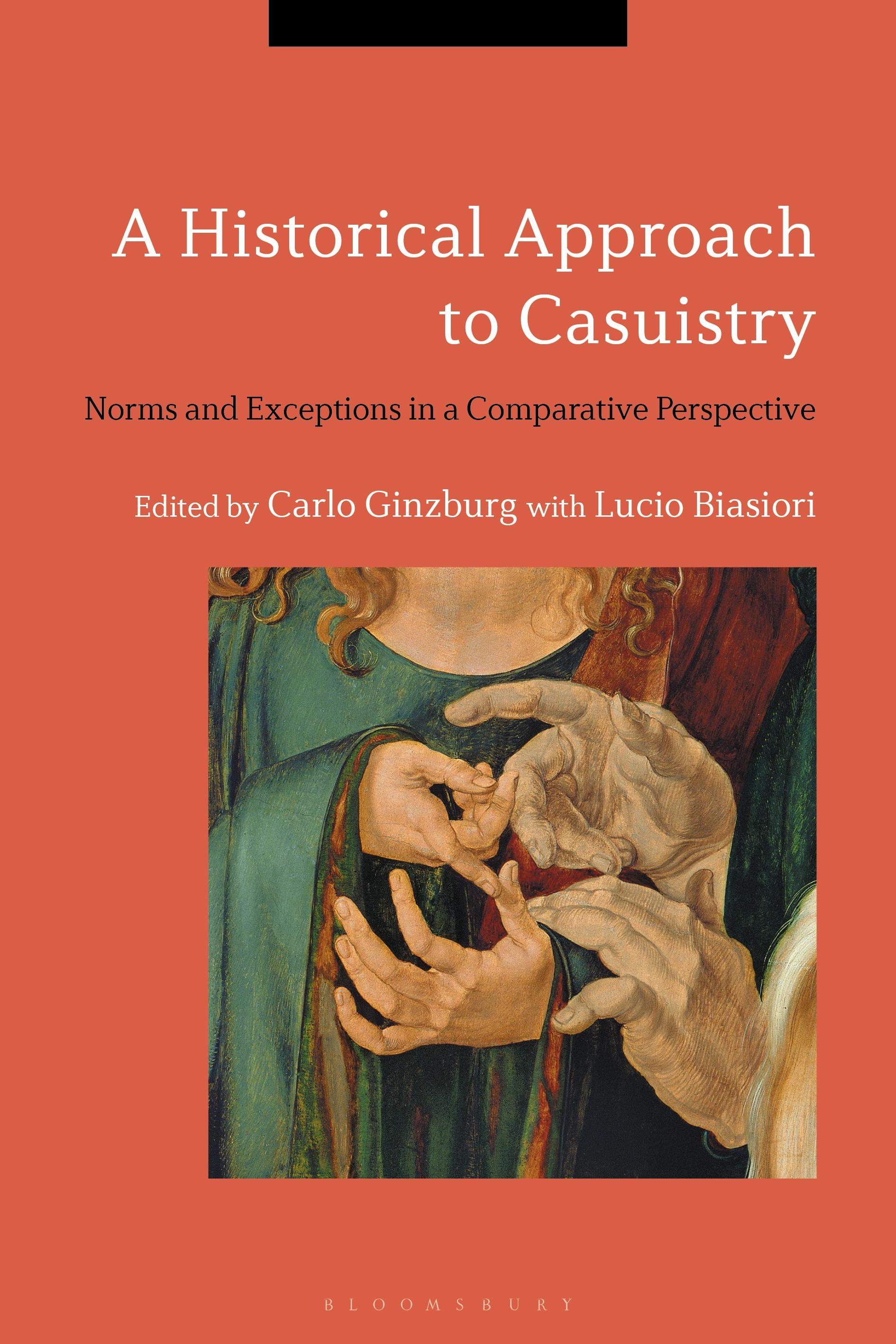
Casuistry, the practice of resolving moral problems by applying a logical framework, has had a much larger historical presence before and since it was given a name in the Renaissance. The contributors to this volume examine a series of case studies to explain how different cultures and religions, past and present, have wrestled with morality's exceptions and margins and the norms with which they break. For example, to what extent have the Islamic and Judaic traditions allowed smoking tobacco or gambling? How did the Spanish colonization of America generate formal justifications for what it claimed? Where were the lines of transgression around food, money-lending, and sex in Ancient Greece and Rome? How have different systems dealt with suicide?
Casuistry lives at the heart of such questions, in the tension between norms and exceptions, between what seems forbidden but is not. A Historical Approach to Casuistry does not only examine this tension, but re-frames casuistry as a global phenomenon that has informed ethical and religious traditions for millennia, and that continues to influence our lives today.
Casuistry lives at the heart of such questions, in the tension between norms and exceptions, between what seems forbidden but is not. A Historical Approach to Casuistry does not only examine this tension, but re-frames casuistry as a global phenomenon that has informed ethical and religious traditions for millennia, and that continues to influence our lives today.
Betaal eenvoudig met kaart, Klarna, Apple Pay of Google Pay. Niet tevreden? Je hebt altijd 14 dagen bedenktijd. Lees meer in onze voorwaarden. Heb je vragen, mail ons dan via hello@memmo.org.
Memmo maakt studeren makkelijker – waar je ook bent ter wereld. Wij brengen je cursusboeken en slimme studietools samen op één plek: samenvattingen, quizzen, podcasts en flashcards. En Ted, je studievriend die antwoord geeft op alles wat je je afvraagt. Meer dan 50.000 studenten studeren hier al – gebouwd om je sneller te laten leren en minder stress te geven.