
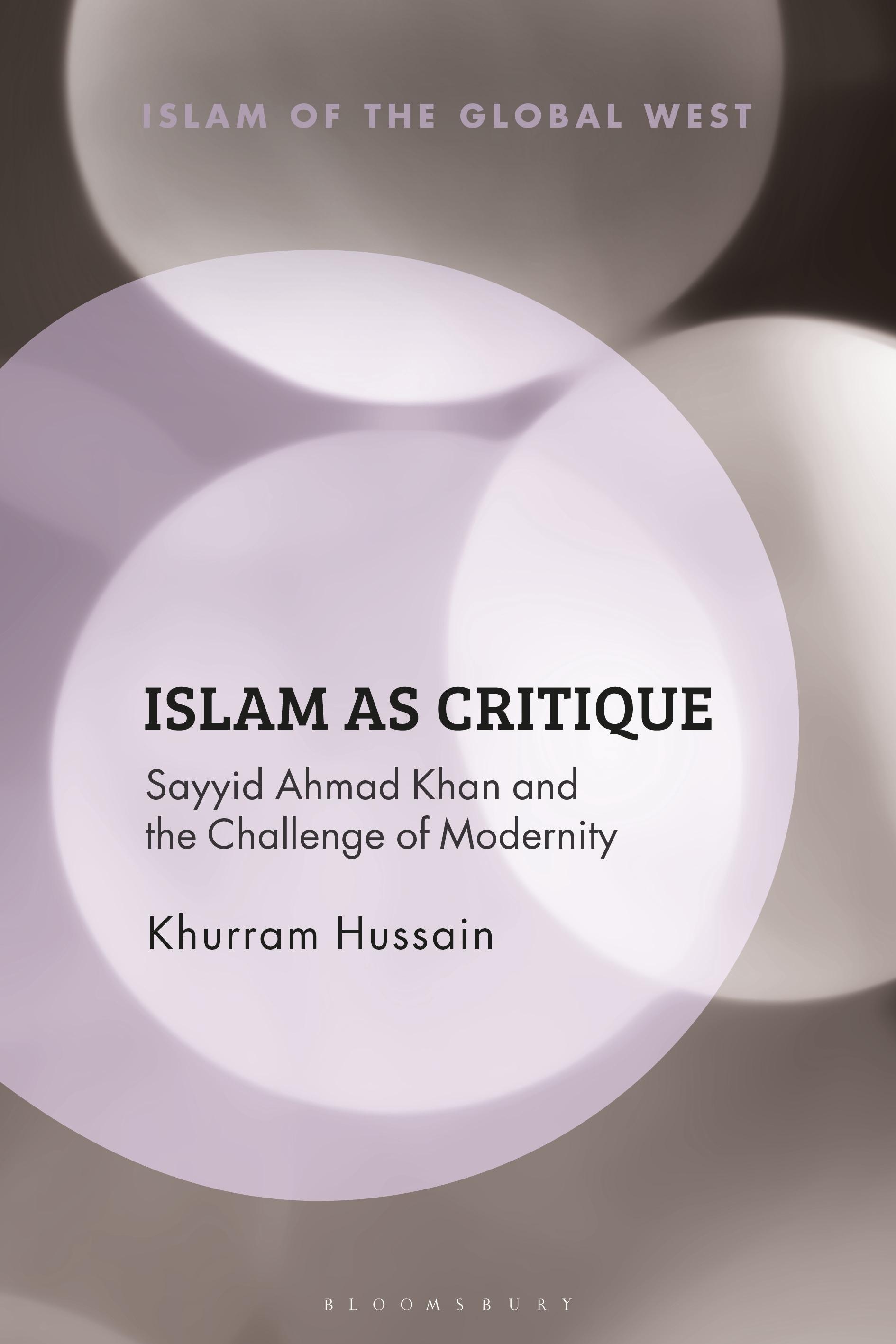
What would it mean to imagine Islam as an immanent critique of the West?
Sayyid Ahmad Khan lived in a time of great tribulation for Muslim India under British rule. By examining Khan's work as a critical expression of modernity rooted in the Muslim experience of it, Islam as Critique argues that Khan is essential to understanding the problematics of modern Islam and its relationship to the West.
The book re-imagines Islam as an interpretive strategy for investigating the modern condition, and as an engaged alternative to mainstream Western thought. Using the life and work of nineteenth-century Indian Muslim polymath Khan (1817-1898), it identifies Muslims as a viable resource for both critical intervention in important ethical debates of our times and as legitimate participants in humanistic discourses that underpin a just global order.
Islam as Critique locates Khan within a broader strain in modern Islamic thought that is neither a rejection of the West, nor a wholesale acceptance of it. The author calls this “Critical Islam”. By bringing Khan's critical engagement with modernity into conversation with similar critical analyses of the modern by Reinhold Niebuhr, Hannah Arendt, and Alasdair MacIntyre, the author shows how Islam can be read as critique.
Sayyid Ahmad Khan lived in a time of great tribulation for Muslim India under British rule. By examining Khan's work as a critical expression of modernity rooted in the Muslim experience of it, Islam as Critique argues that Khan is essential to understanding the problematics of modern Islam and its relationship to the West.
The book re-imagines Islam as an interpretive strategy for investigating the modern condition, and as an engaged alternative to mainstream Western thought. Using the life and work of nineteenth-century Indian Muslim polymath Khan (1817-1898), it identifies Muslims as a viable resource for both critical intervention in important ethical debates of our times and as legitimate participants in humanistic discourses that underpin a just global order.
Islam as Critique locates Khan within a broader strain in modern Islamic thought that is neither a rejection of the West, nor a wholesale acceptance of it. The author calls this “Critical Islam”. By bringing Khan's critical engagement with modernity into conversation with similar critical analyses of the modern by Reinhold Niebuhr, Hannah Arendt, and Alasdair MacIntyre, the author shows how Islam can be read as critique.
Pagina's: 232
Categorie: Religion & Teologi
e-ISBN: 9781350006348
Verzendgewicht: 1.2 kg
Verzending binnen: 1-2 dagen
Betaal eenvoudig met kaart, Klarna, Apple Pay of Google Pay. Niet tevreden? Je hebt altijd 14 dagen bedenktijd. Lees meer in onze voorwaarden. Heb je vragen, mail ons dan via hello@memmo.org.
Memmo maakt studeren makkelijker – waar je ook bent ter wereld. Wij brengen je cursusboeken en slimme studietools samen op één plek: samenvattingen, quizzen, podcasts en flashcards. En Ted, je studievriend die antwoord geeft op alles wat je je afvraagt. Meer dan 50.000 studenten studeren hier al – gebouwd om je sneller te laten leren en minder stress te geven.