
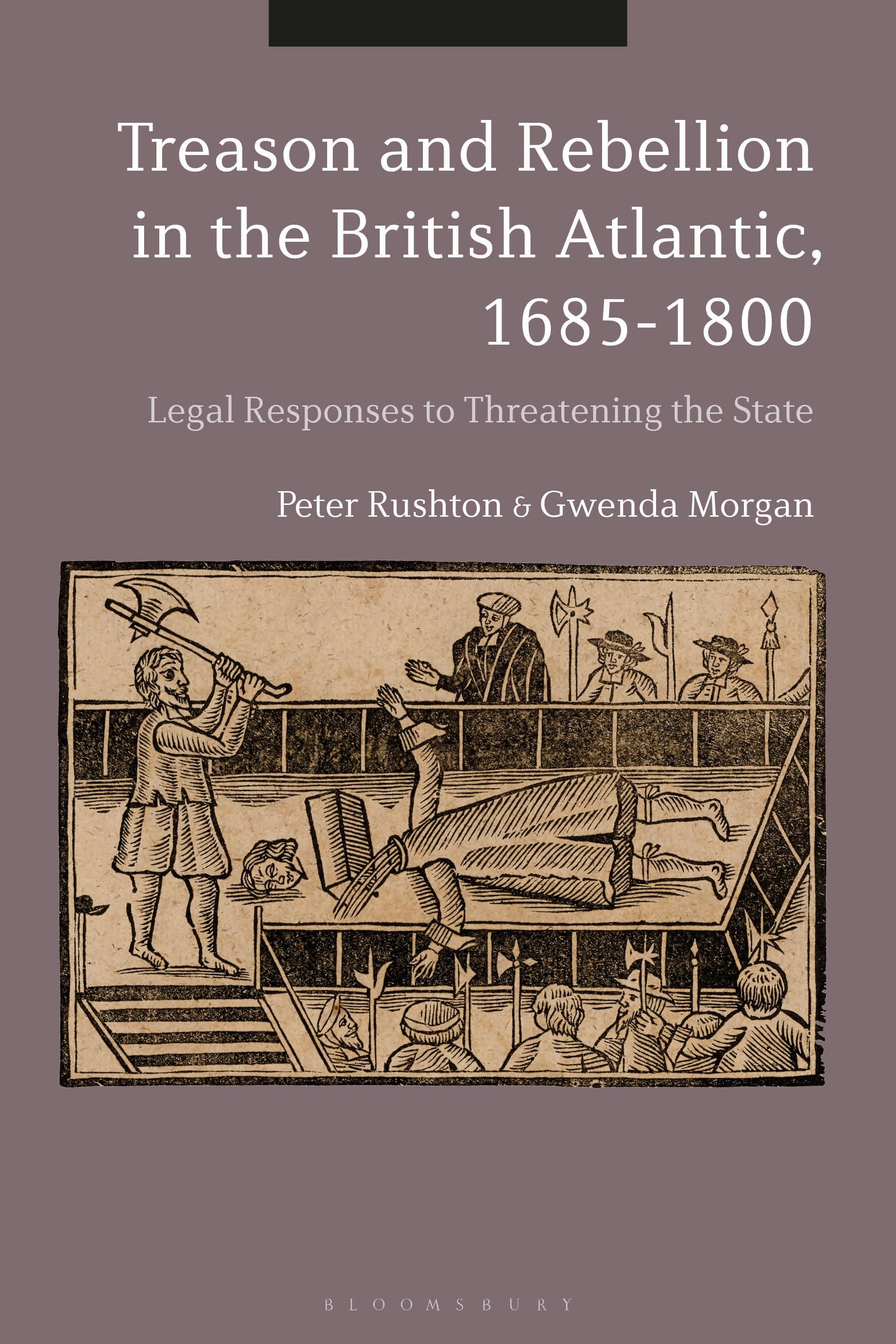
This book examines internal political conflicts in the British Empire within the legal framework of treason and sedition. The threat of treason and rebellion pervaded the British Atlantic in the 17th and 18th centuries; Britain's control of its territories was continually threatened by rebellion and war, both at home and in North America. Even after American independence, Britain and its former colony continued to be fearful that opposition and revolution might follow the French example, and both took legal measures to control both speech and political action.
This study places these conflicts within a political and legal framework of the laws of treason and sedition as they developed in the British Atlantic. The treason laws originated in the reign of Edward III, and were adapted and modified in the 16th and 17th centuries. They were exported to the colonies, where they underwent both adaptation and elaboration in application in the slave societies as well as those dominated by free settlers. Relationships with natives and European rivals in the Americas affected the definitions of treason in practice, and the divided loyalties of the American revolutionary war added further problems of defining loyalty and treachery.
Treason and Rebellion in the British Atlantic, 1685-1800 offers a new study of treason and sedition in the period by placing them in a truly transatlantic perspective, making it a valuable study for those interested in the legal and political of Britain's empire and 18th-century revolutions.
This study places these conflicts within a political and legal framework of the laws of treason and sedition as they developed in the British Atlantic. The treason laws originated in the reign of Edward III, and were adapted and modified in the 16th and 17th centuries. They were exported to the colonies, where they underwent both adaptation and elaboration in application in the slave societies as well as those dominated by free settlers. Relationships with natives and European rivals in the Americas affected the definitions of treason in practice, and the divided loyalties of the American revolutionary war added further problems of defining loyalty and treachery.
Treason and Rebellion in the British Atlantic, 1685-1800 offers a new study of treason and sedition in the period by placing them in a truly transatlantic perspective, making it a valuable study for those interested in the legal and political of Britain's empire and 18th-century revolutions.
Betaal eenvoudig met kaart, Klarna, Apple Pay of Google Pay. Niet tevreden? Je hebt altijd 14 dagen bedenktijd. Lees meer in onze voorwaarden. Heb je vragen, mail ons dan via hello@memmo.org.
Memmo maakt studeren makkelijker – waar je ook bent ter wereld. Wij brengen je cursusboeken en slimme studietools samen op één plek: samenvattingen, quizzen, podcasts en flashcards. En Ted, je studievriend die antwoord geeft op alles wat je je afvraagt. Meer dan 50.000 studenten studeren hier al – gebouwd om je sneller te laten leren en minder stress te geven.