
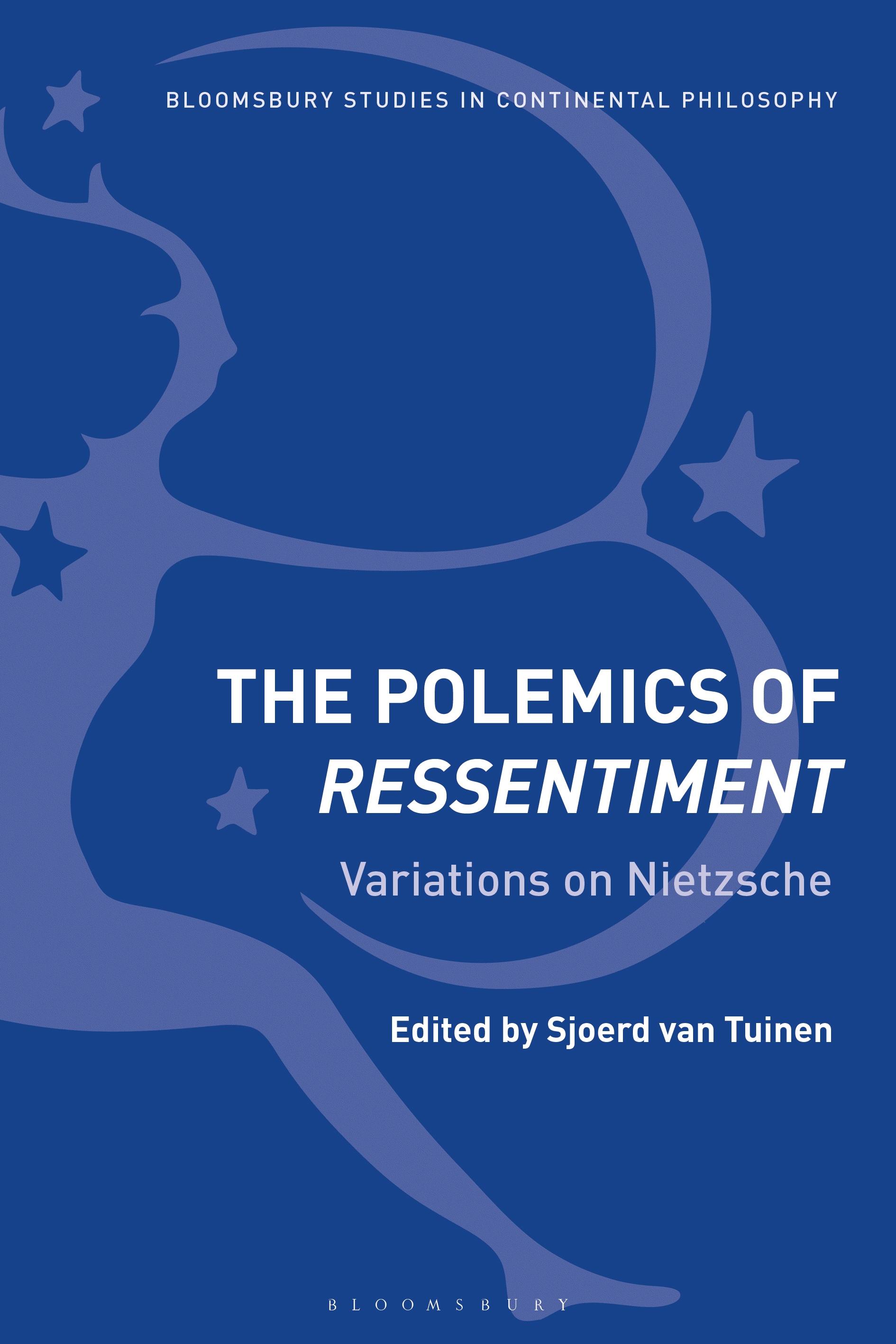
The rise of populism, cynicism, fanaticism and fundamentalism challenges us to reconsider the problem of ressentiment. Characterized by Nietzsche as the self-poisoning of the will through internalising trauma in the form of a postponed and imaginary revenge, the concept of ressentiment is making a comeback in political
discourse.
Unlike resentment, the feeling of injustice, ressentiment is an intrinsically polemical notion. It implies a political drama in which there is no inherent good sense in its application and no universal criterion. Drawing on psychoanalysis, political theory, media theory and philosophy, this book examines a wide variety of ideological contexts, offering an examination of the divergent senses in which the concept of ressentiment is used today.
discourse.
Unlike resentment, the feeling of injustice, ressentiment is an intrinsically polemical notion. It implies a political drama in which there is no inherent good sense in its application and no universal criterion. Drawing on psychoanalysis, political theory, media theory and philosophy, this book examines a wide variety of ideological contexts, offering an examination of the divergent senses in which the concept of ressentiment is used today.
Pagina's: 256
Categorie: Filosofi
e-ISBN: 9781350003682
Verzendgewicht: 1.2 kg
Verzending binnen: 1-2 dagen
Betaal eenvoudig met kaart, Klarna, Apple Pay of Google Pay. Niet tevreden? Je hebt altijd 14 dagen bedenktijd. Lees meer in onze voorwaarden. Heb je vragen, mail ons dan via hello@memmo.org.
Memmo maakt studeren makkelijker – waar je ook bent ter wereld. Wij brengen je cursusboeken en slimme studietools samen op één plek: samenvattingen, quizzen, podcasts en flashcards. En Ted, je studievriend die antwoord geeft op alles wat je je afvraagt. Meer dan 50.000 studenten studeren hier al – gebouwd om je sneller te laten leren en minder stress te geven.