
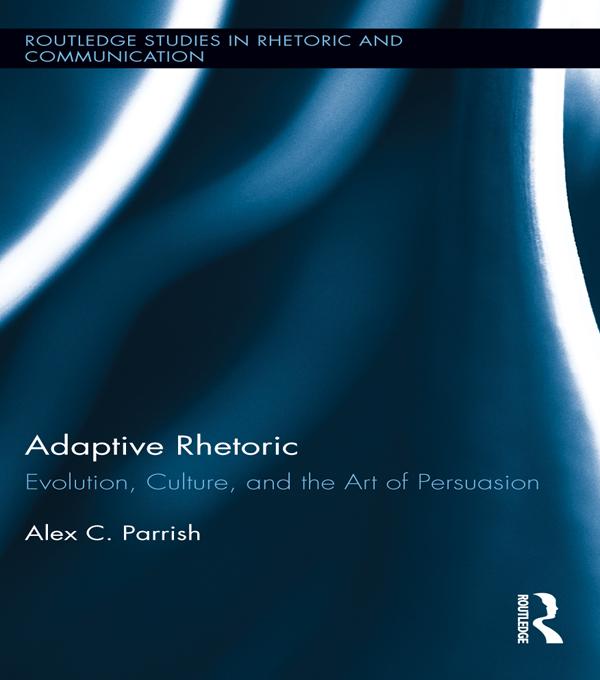
Rhetorical scholarship has for decades relied solely on culture to explain persuasive behavior. While this focus allows for deep explorations of historical circumstance, it neglects the powerful effects of biology on rhetorical behavior – how our bodies and brains help shape and constrain rhetorical acts. Not only is the cultural model incomplete, but it tacitly endorses the fallacy of human exceptionalism. By introducing evolutionary biology into the study of rhetoric, this book serves as a model of a biocultural paradigm. Being mindful of biological and cultural influences allows for a deeper view of rhetoric, one that is aware of the ubiquity of persuasive behavior in nature. Human and nonhuman animals, and even some plants, persuade to survive - to live, love, and cooperate. That this broad spectrum of rhetorical behavior exists in the animal world demonstrates how much we can learn from evolutionary biology. By incorporating scholarship on animal signaling into the study of rhetoric, the author explores how communication has evolved, and how numerous different species of animals employ similar persuasive tactics in order to overcome similar problems. This cross-species study of rhetoric allows us to trace the origins of our own persuasive behaviors, providing us with a deeper history of rhetoric that transcends the written and the televised, and reveals the artifacts of our communicative past.
Betaal eenvoudig met kaart, Klarna, Apple Pay of Google Pay. Niet tevreden? Je hebt altijd 14 dagen bedenktijd. Lees meer in onze voorwaarden. Heb je vragen, mail ons dan via hello@memmo.org.
Memmo maakt studeren makkelijker – waar je ook bent ter wereld. Wij brengen je cursusboeken en slimme studietools samen op één plek: samenvattingen, quizzen, podcasts en flashcards. En Ted, je studievriend die antwoord geeft op alles wat je je afvraagt. Meer dan 50.000 studenten studeren hier al – gebouwd om je sneller te laten leren en minder stress te geven.