
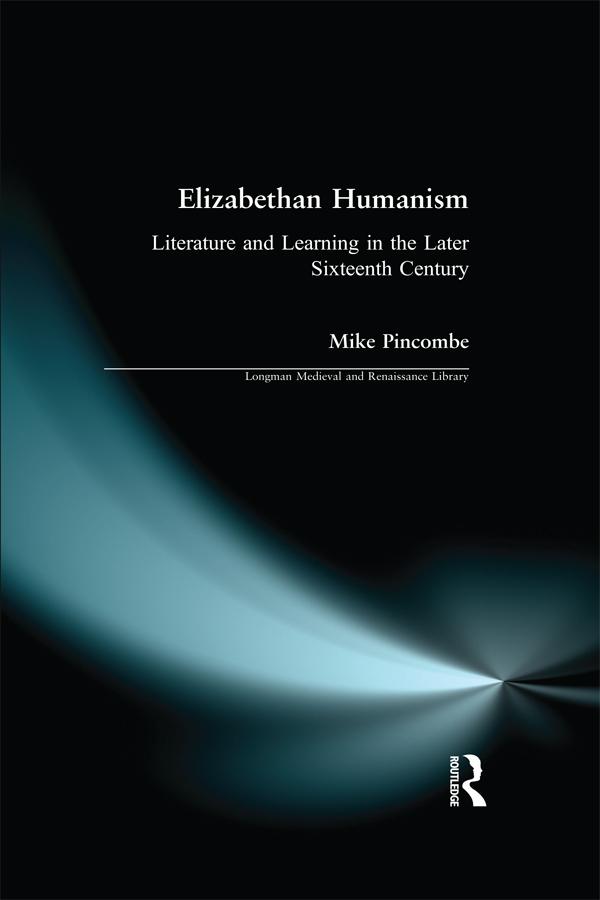
The term 'humanist' originally referred to a scholar of Classical literature. In the Renaissance and particularly in the Elizabethan age, European intellectuals devoted themselves to the rediscovery and study of Roman and Greek literature and culture. This trend of Renaissance thought became known in the 19th century as 'humanism'. Often a difficult concept to understand, the term Elizabethan Humanism is introduced in Part One and explained in a number of different contexts. Part Two illustrates how knowledge of humanism allows a clearer understanding of Elizabethan literature, by looking closely at major texts of the Elizabethan period which include Spenser's, 'The Shepherd's Calendar'; Marlowe's 'Faustus' and Shakespeare's 'Hamlet'.
Betaal eenvoudig met kaart, Klarna, Apple Pay of Google Pay. Niet tevreden? Je hebt altijd 14 dagen bedenktijd. Lees meer in onze voorwaarden. Heb je vragen, mail ons dan via hello@memmo.org.
Memmo maakt studeren makkelijker – waar je ook bent ter wereld. Wij brengen je cursusboeken en slimme studietools samen op één plek: samenvattingen, quizzen, podcasts en flashcards. En Ted, je studievriend die antwoord geeft op alles wat je je afvraagt. Meer dan 50.000 studenten studeren hier al – gebouwd om je sneller te laten leren en minder stress te geven.
Misschien vind je dit ook leuk
Koop het boek0