
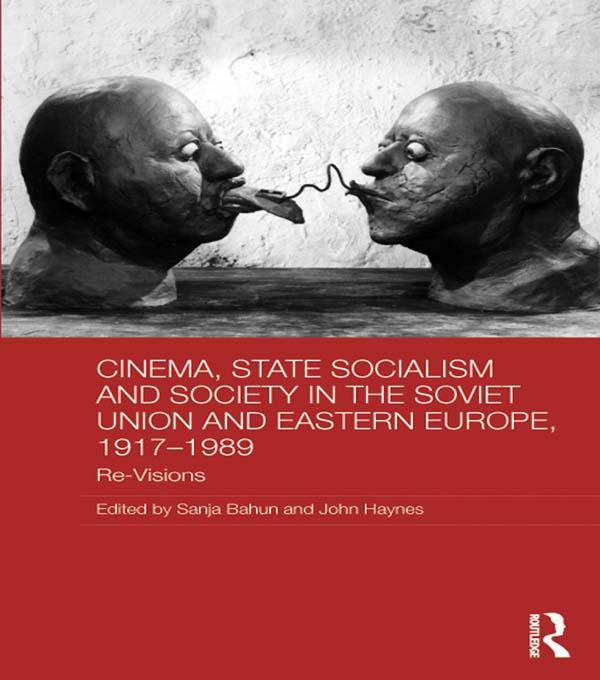
This book presents a comprehensive re-examination of the cinemas of the Soviet Union and Central and Eastern Europe during the communist era. It argues that, since the end of communism in these countries, film scholars are able to view these cinemas in a different way, no longer bound by an outlook relying on binary Cold War terms. With the opening of archives in Eastern Europe and the former Soviet Union, much more is known about these states and societies; at the same time, the field has been reinvigorated by its opening up to more contemporary concepts, themes and approaches in film studies and adjacent disciplines. Taking stock of these developments, this book presents a rich, varied tapestry, relating specific films to specific national and transnational circumstances, rather than viewing them as a single, monolithic "Cold War Communist" cinema.
Betaal eenvoudig met kaart, Klarna, Apple Pay of Google Pay. Niet tevreden? Je hebt altijd 14 dagen bedenktijd. Lees meer in onze voorwaarden. Heb je vragen, mail ons dan via hello@memmo.org.
Memmo maakt studeren makkelijker – waar je ook bent ter wereld. Wij brengen je cursusboeken en slimme studietools samen op één plek: samenvattingen, quizzen, podcasts en flashcards. En Ted, je studievriend die antwoord geeft op alles wat je je afvraagt. Meer dan 50.000 studenten studeren hier al – gebouwd om je sneller te laten leren en minder stress te geven.