
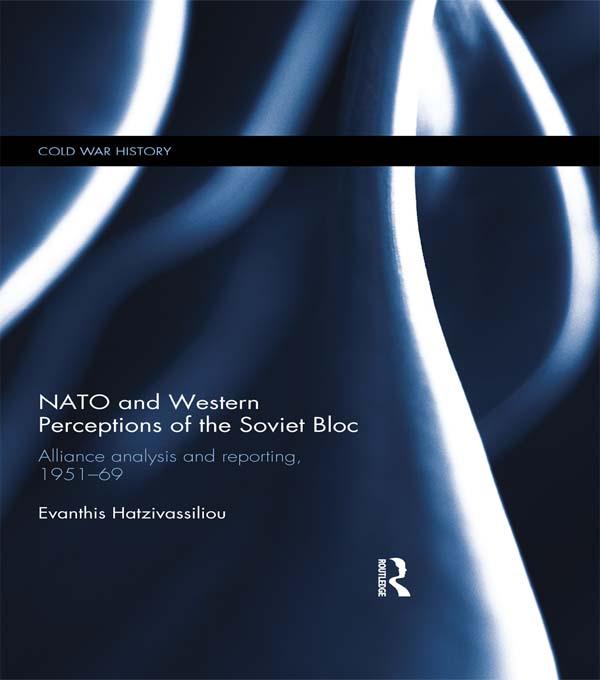
This book examines the NATO reports on the Soviet bloc's political and economic system, from 1951 to the aftermath of the Soviet invasion of Czechoslovakia and the beginning of detente.
As part of the wider history of Cold War Alliances, the detailed assessments of the NATO experts regarding the non-military aspects of Soviet power are a crucial indicator of Western/allied perceptions of the adversary. Their study allows us to widen the discussion on the Western alliance, the accuracy of its information or perceptions, and the nature of the Cold War.
Hatzivassiliou argues that the Cold War was not only a strategic dilemma (although it certainly was that, as well), but also the latest stage of the crisis of legitimization which had been raging since the dawn of modernity. NATO/Western analysis is examined in this context. At the same time, the book discusses the relative influence of the major NATO members – US and British influence was strong while French, West German and Italian influence was also significant – in the drafting of the reports, and thus in shaping the alliance’s perceptions during the Cold War.
This book will be of much interest to students of NATO, Cold War Studies, international history, foreign policy and IR in general.
Betaal eenvoudig met kaart, Klarna, Apple Pay of Google Pay. Niet tevreden? Je hebt altijd 14 dagen bedenktijd. Lees meer in onze voorwaarden. Heb je vragen, mail ons dan via hello@memmo.org.
Memmo maakt studeren makkelijker – waar je ook bent ter wereld. Wij brengen je cursusboeken en slimme studietools samen op één plek: samenvattingen, quizzen, podcasts en flashcards. En Ted, je studievriend die antwoord geeft op alles wat je je afvraagt. Meer dan 50.000 studenten studeren hier al – gebouwd om je sneller te laten leren en minder stress te geven.