
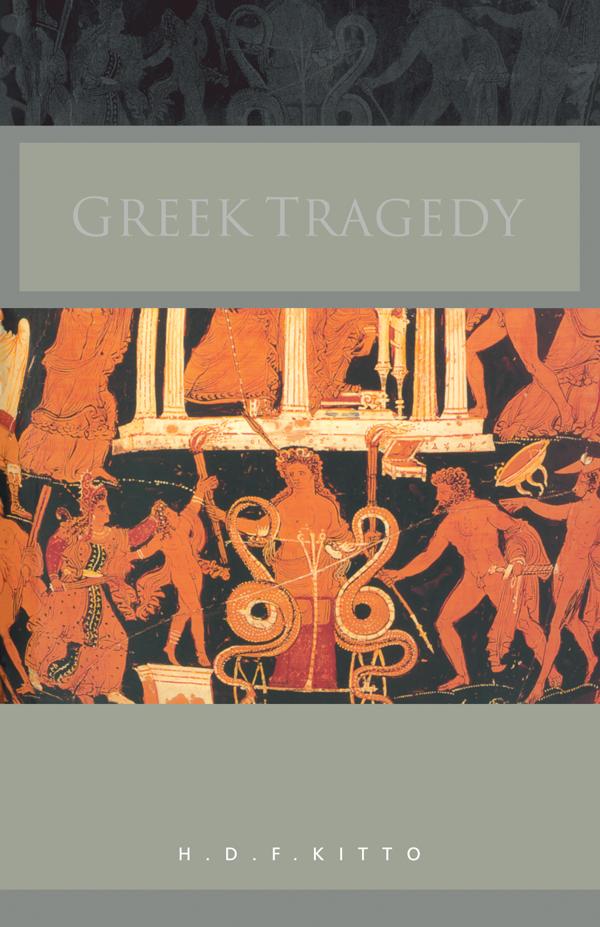
This classic work not only records developments in the form and style of Greek drama, it also analyses the reasons for these changes. It provides illuminating answers to questions that have confronted generations of students, such as:
* why did Aeschylus introduce the second actor?
* why did Sophocles develop character drawing?
* why are some of Euripides' plots so bad and others so good?
Greek Tragedy is neither a history nor a handbook, but a penetrating work of criticism which all students of literature will find suggestive and stimulating.
Betaal eenvoudig met kaart, Klarna, Apple Pay of Google Pay. Niet tevreden? Je hebt altijd 14 dagen bedenktijd. Lees meer in onze voorwaarden. Heb je vragen, mail ons dan via hello@memmo.org.
Memmo maakt studeren makkelijker – waar je ook bent ter wereld. Wij brengen je cursusboeken en slimme studietools samen op één plek: samenvattingen, quizzen, podcasts en flashcards. En Ted, je studievriend die antwoord geeft op alles wat je je afvraagt. Meer dan 50.000 studenten studeren hier al – gebouwd om je sneller te laten leren en minder stress te geven.