
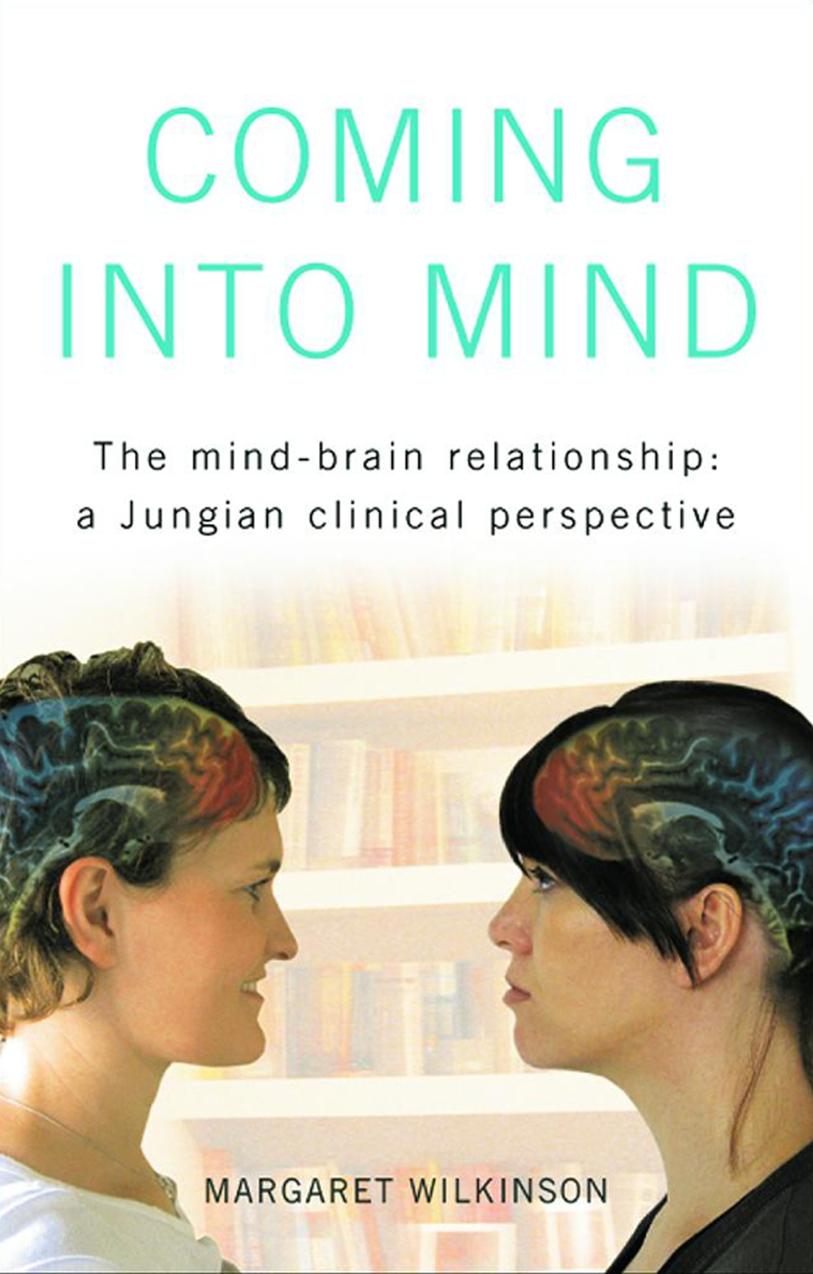
Contemporary neuroscience has a valuable contribution to make to understanding the mind-brain. Coming into Mind aims to bridge the gap between theory and clinical practice, demonstrating how awareness of the insights gained from neuroscience is essential if the psychological therapies are to maintain scientific integrity in the twenty-first century.
Margaret Wilkinson introduces the clinician to those aspects of neuroscience which are most relevant to their practice, guiding the reader through topics such as memory, brain plasticity, neural connection and the emotional brain. Detailed clinical case studies are included throughout to demonstrate the value of employing the insights of neuroscience. The book focuses on the affect-regulating, relational aspects of therapy that forge new neural pathways through emotional connection, forming the emotional scaffolding that permits the development of mind. Subjects covered include:
- Why neuroscience?
- The early development of the mind-brain
- Un-doing dissociation
- The dreaming mind-brain
- The emergent self
This book succeeds in making cutting-edge research accessible, helping mental health professionals grasp the direct relevance of neuroscience to their practice. It will be of great interest to Jungian analysts, psychoanalysts, psychodynamic psychotherapists and counsellors.
Betaal eenvoudig met kaart, Klarna, Apple Pay of Google Pay. Niet tevreden? Je hebt altijd 14 dagen bedenktijd. Lees meer in onze voorwaarden. Heb je vragen, mail ons dan via hello@memmo.org.
Memmo maakt studeren makkelijker – waar je ook bent ter wereld. Wij brengen je cursusboeken en slimme studietools samen op één plek: samenvattingen, quizzen, podcasts en flashcards. En Ted, je studievriend die antwoord geeft op alles wat je je afvraagt. Meer dan 50.000 studenten studeren hier al – gebouwd om je sneller te laten leren en minder stress te geven.