
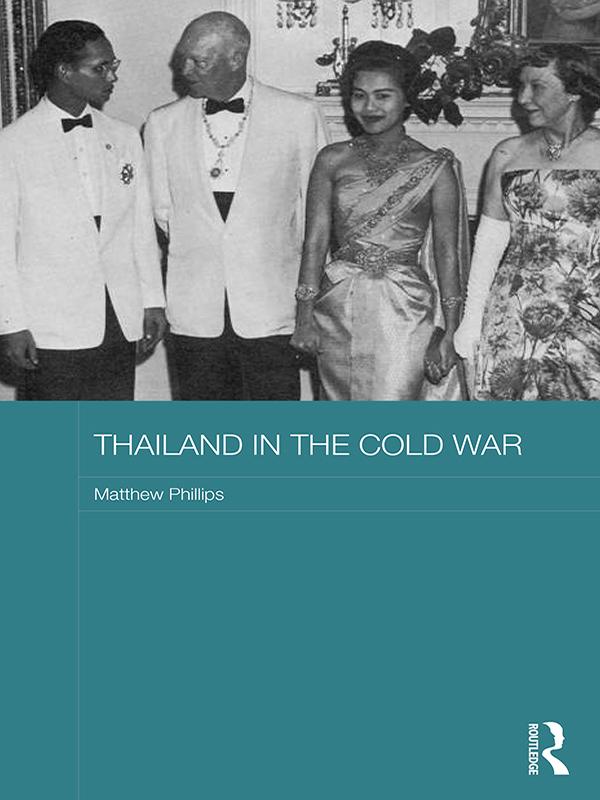
Thailand’s position during the Cold War was ambiguous: the country’s political leadership was very keen to maintain the country’s independence on the world stage, yet at the same time was anxious to establish the country’s credentials as staunchly anti-communist. However, as this book argues, Thailand, though never formally a client state of the United States, was very closely embedded in the Western camp through the commitment of Thailand’s cosmopolitan urban communities to developing a modern, consumerist lifestyle. Considering popular culture, including film, literature, fashion, tourism and attitudes towards Buddhism, the book shows how an ideology of consumerism and integration into a "free world" culture centred in the United States gradually took hold and became firmly established, and how this popular culture and ideology was fundamental in determining Thailand’s international political alignment.
Betaal eenvoudig met kaart, Klarna, Apple Pay of Google Pay. Niet tevreden? Je hebt altijd 14 dagen bedenktijd. Lees meer in onze voorwaarden. Heb je vragen, mail ons dan via hello@memmo.org.
Memmo maakt studeren makkelijker – waar je ook bent ter wereld. Wij brengen je cursusboeken en slimme studietools samen op één plek: samenvattingen, quizzen, podcasts en flashcards. En Ted, je studievriend die antwoord geeft op alles wat je je afvraagt. Meer dan 50.000 studenten studeren hier al – gebouwd om je sneller te laten leren en minder stress te geven.