
Why do we steal?
This question has confounded everyone from parents to judges, teachers to psychologists, economists to more than a few moral thinkers. Stealing can be a result of deprivation, of envy, or of a desire for power and influence. An act of theft can also bring forth someone’s hidden traits – paradoxically proving beneficial to their personal development.
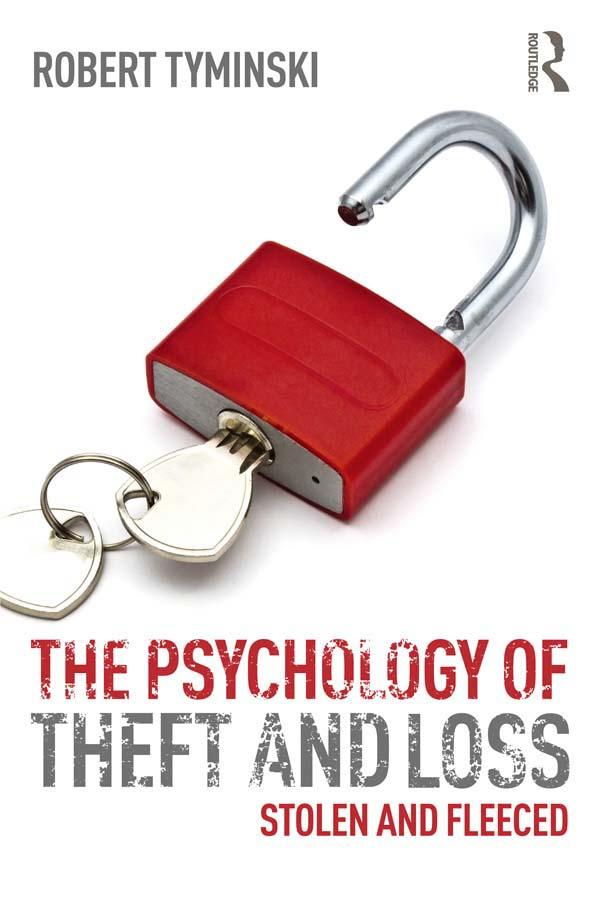
Robert Tyminski explores the many dimensions of stealing, and in particular how they relate to a subtle balance of loss versus gain that operates in all of us. Our natural aversion to loss can lead to extreme actions as a means to acquire what we may not be able to obtain through time, work or money. Tyminski uses the myth of Jason, Medea and the Golden Fleece to explore the dilemmas involved in such situations and demonstrate the timelessness of theft as fundamentally human. The Psychology of Theft and Loss incorporates Jungian and psychoanalytic theories as well as more recent cognitive research findings to deepen our appreciation for the complexity of human motivations when it comes to stealing, culminating in consideration of the idea of a perpetually present ‘inner thief’.
Combining case studies, Jungian theory and analysis of many different types of stealing including robbery, kidnapping, plagiarism and technotheft, The Psychology of Theft and Loss is a fascinating study which will appeal to psychoanalysts, psychologists, psychiatrists, social workers, family therapists and students.
Betaal eenvoudig met kaart, Klarna, Apple Pay of Google Pay. Niet tevreden? Je hebt altijd 14 dagen bedenktijd. Lees meer in onze voorwaarden. Heb je vragen, mail ons dan via hello@memmo.org.
Memmo maakt studeren makkelijker – waar je ook bent ter wereld. Wij brengen je cursusboeken en slimme studietools samen op één plek: samenvattingen, quizzen, podcasts en flashcards. En Ted, je studievriend die antwoord geeft op alles wat je je afvraagt. Meer dan 50.000 studenten studeren hier al – gebouwd om je sneller te laten leren en minder stress te geven.