
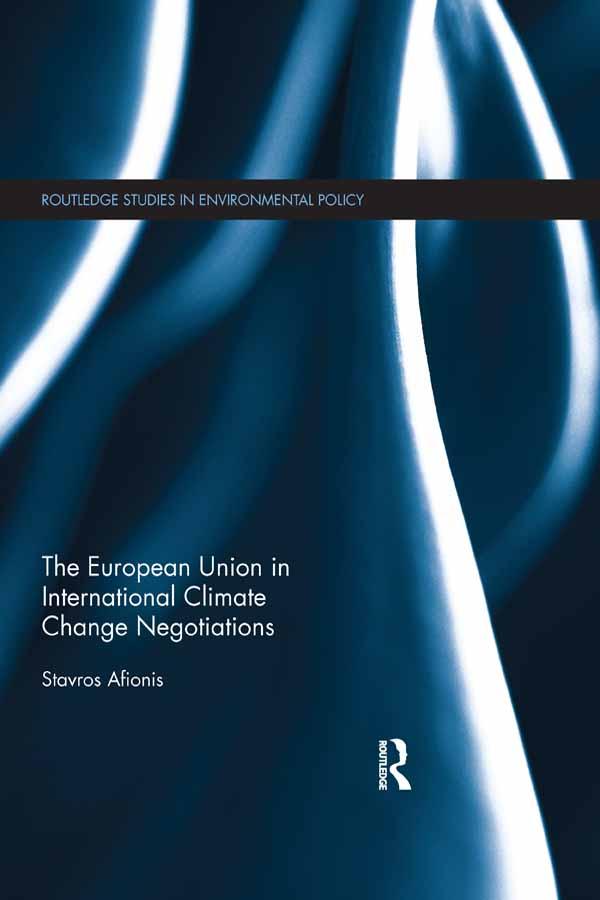
The EU has been portrayed as a leader in international climate change negotiations. Its role in the development of the climate change regime, as well as the adoption of novel policy instruments such as the EU Emissions Trading Scheme in 2005, are frequently put forward as indicative of a determination to push the international climate agenda forward. However, there are numerous instances where the EU has failed to achieve its climate change objectives (e.g. the 2009 Copenhagen Conference of the Parties). It is therefore important to examine the reasons behind these failures.
This book explores in detail the involvement of the EU in international climate talks from the late 1980s to the present, focusing in particular on the negotiations leading up to Copenhagen. This conference witnessed the demise of the top-down approach in climate change policy and dealt a serious blow to the EU’s leadership ambitions. This book explores the extent to which negotiation theory could help with better comprehending the obstacles that prevented the EU from getting more out of the climate negotiation process. It is argued that looking at the role played by problematic strategic planning could prove highly instructive in light of the Paris Agreement.
This broad historical perspective of the EU’s negotiations in international climate policy is an important resource to scholars of environmental and European politics, policy, law and governance.
Betaal eenvoudig met kaart, Klarna, Apple Pay of Google Pay. Niet tevreden? Je hebt altijd 14 dagen bedenktijd. Lees meer in onze voorwaarden. Heb je vragen, mail ons dan via hello@memmo.org.
Memmo maakt studeren makkelijker – waar je ook bent ter wereld. Wij brengen je cursusboeken en slimme studietools samen op één plek: samenvattingen, quizzen, podcasts en flashcards. En Ted, je studievriend die antwoord geeft op alles wat je je afvraagt. Meer dan 50.000 studenten studeren hier al – gebouwd om je sneller te laten leren en minder stress te geven.