
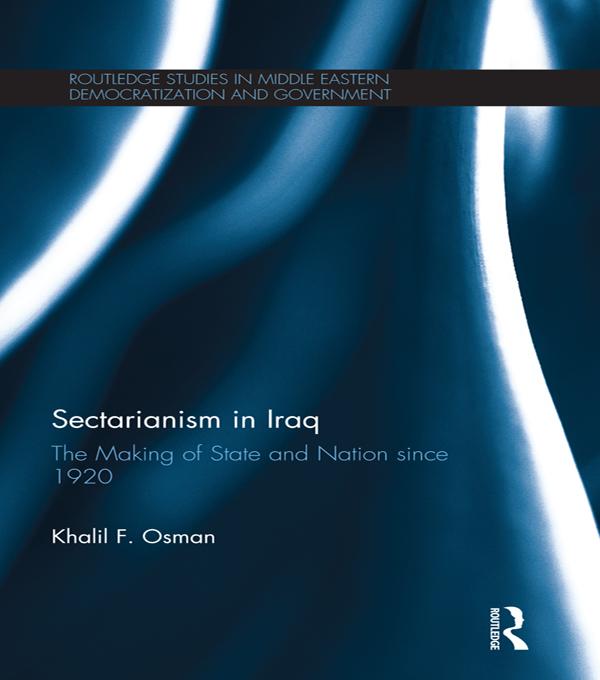
This book links sectarianism in Iraq to the failure of the modern nation-state to resolve tensions between sectarian identities and concepts of unified statehood and uniform citizenry.
After a theoretical excursus that recasts the notion of primordial identity as a socially constructed reality, the author sets out to explain the persistence of sectarian affiliations in Iraq since its creation following the dismemberment of the Ottoman Empire. Despite the adoption of homogenizing state policies, the uneven sectarian composition of the ruling elites nurtured feelings of political exclusion among marginalized sectarian groups, the Shicites before 2003 and the Sunnis in the post-2003 period. The book then examines how communal discourses in the educational curriculum provoked masked forms of resistance that sharpened sectarian consciousness. Tracing how the anti-Persian streak in the nation-state’s Pan-Arab ideology, which camouflaged anti-Shicism, undermined Iraq’s national integration project, Sectarianism in Iraq delves into the country’s slide from a totalizing Pan-Arab ideology in the pre-2003 period toward the atomistic impulse of the federalist debate in the post-2003 period.
Employing extensive fieldwork, this book sheds light on the dynamics of political life in post-Saddam Iraq and is essential reading for Iraqi and Middle East specialists, as well as those interested in understanding the current heightening of sectarian Sunni-Shicite tensions in the Middle East.
Betaal eenvoudig met kaart, Klarna, Apple Pay of Google Pay. Niet tevreden? Je hebt altijd 14 dagen bedenktijd. Lees meer in onze voorwaarden. Heb je vragen, mail ons dan via hello@memmo.org.
Memmo maakt studeren makkelijker – waar je ook bent ter wereld. Wij brengen je cursusboeken en slimme studietools samen op één plek: samenvattingen, quizzen, podcasts en flashcards. En Ted, je studievriend die antwoord geeft op alles wat je je afvraagt. Meer dan 50.000 studenten studeren hier al – gebouwd om je sneller te laten leren en minder stress te geven.