
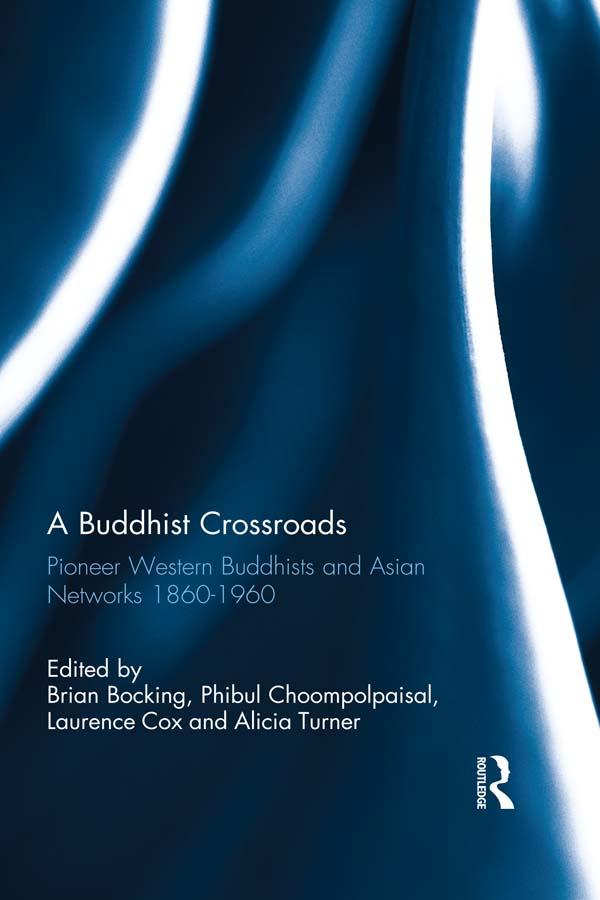
In the late 19th and early 20th centuries, Buddhism in Asia was transformed by the impact of colonial modernity and new technologies and began to spread in earnest to the West. Transnational networking among Asian Buddhists and early western converts engendered pioneering attempts to develop new kinds of Buddhism for a globalized world, in ways not controlled by any single sect or region. Drawing on new research by scholars worldwide, this book brings together some of the most extraordinary episodes and personalities of a period of almost a century from 1860-1960. Examples include Indian intellectuals who saw Buddhism as a homegrown path for a modern post-colonial future, poor whites ‘going native’ as Asian monks, a Brooklyn-born monk who sought to convert Mussolini, and the failed 1950s attempt to train British monks to establish a Thai sangha in Britain. Some of these stories represent creative failures, paths not taken, which may show us alternative possibilities for a more diverse Buddhism in a world dominated by religious nationalisms. Other pioneers paved the way for the mainstreaming of new forms of Buddhism in later decades, in time for the post-1960s takeoff of ‘global Buddhism’.
This book was originally published as a special issue of Contemporary Buddhism.
Betaal eenvoudig met kaart, Klarna, Apple Pay of Google Pay. Niet tevreden? Je hebt altijd 14 dagen bedenktijd. Lees meer in onze voorwaarden. Heb je vragen, mail ons dan via hello@memmo.org.
Memmo maakt studeren makkelijker – waar je ook bent ter wereld. Wij brengen je cursusboeken en slimme studietools samen op één plek: samenvattingen, quizzen, podcasts en flashcards. En Ted, je studievriend die antwoord geeft op alles wat je je afvraagt. Meer dan 50.000 studenten studeren hier al – gebouwd om je sneller te laten leren en minder stress te geven.