
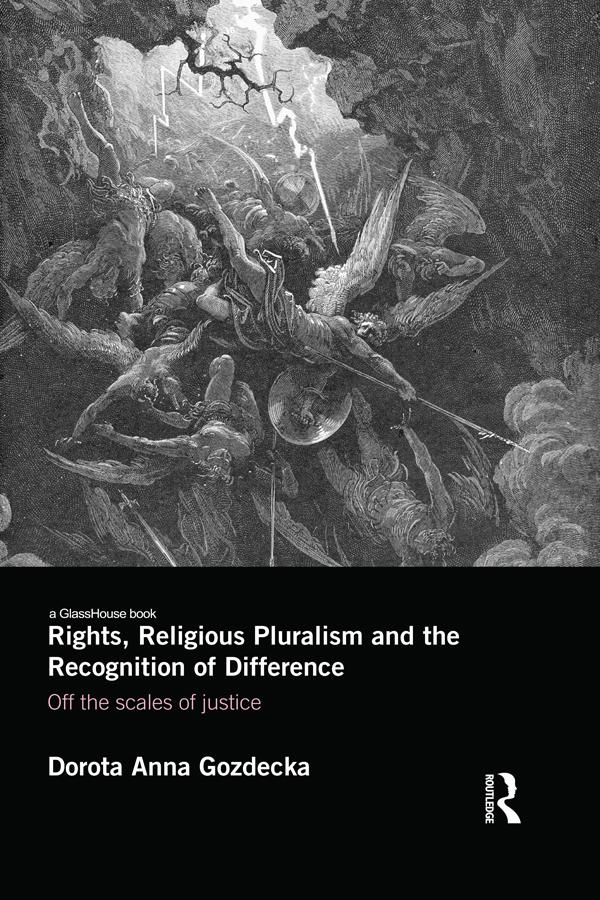
Human rights and their principles of interpretation are the leading legal paradigms of our time. Freedom of religion occupies a pivotal position in rights discourses, and the principles supporting its interpretation receive increasing attention from courts and legislative bodies. This book critically evaluates religious pluralism as an emerging legal principle arising from attempts to define the boundaries of freedom of religion. It examines religious pluralism as an underlying aspect of different human rights regimes and constitutional traditions. It is, however, the static and liberal shape religious pluralism has assumed that is taken up critically here. In order to address how difference is vulnerable to elimination, rather than recognition, the book takes up a contemporary ethics of alterity. More generally, and through its reconstruction of a more difference-friendly vision of religious pluralism, it tackles the problem of the role of rights in the era of diverse narratives of emancipation.
Betaal eenvoudig met kaart, Klarna, Apple Pay of Google Pay. Niet tevreden? Je hebt altijd 14 dagen bedenktijd. Lees meer in onze voorwaarden. Heb je vragen, mail ons dan via hello@memmo.org.
Memmo maakt studeren makkelijker – waar je ook bent ter wereld. Wij brengen je cursusboeken en slimme studietools samen op één plek: samenvattingen, quizzen, podcasts en flashcards. En Ted, je studievriend die antwoord geeft op alles wat je je afvraagt. Meer dan 50.000 studenten studeren hier al – gebouwd om je sneller te laten leren en minder stress te geven.