
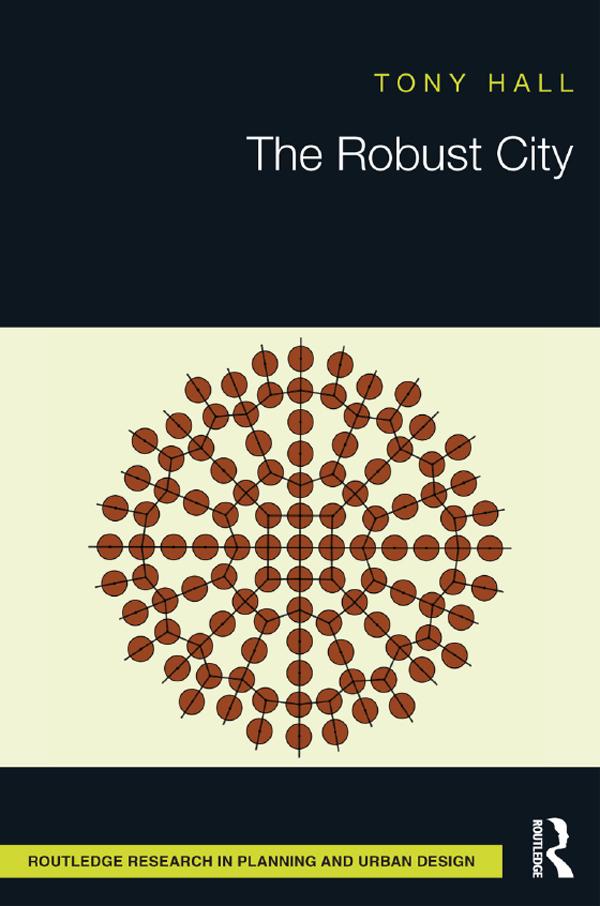
Cities expand, upwards and outwards, and their physical structure can last a very long time, not just tens but hundreds of years. Nevertheless, they are rarely designed for expansion. Their layout does not allow for extension or for the retrofitting of infrastructure and can constrain, and often prevent, the growth and change of activities within them - cities are not 'robust' in their design. In other words, change is not planned for but involves costly reconstruction.
The Robust City argues that a robust, expandable and sustainable urban form can be deduced from planning goals. Development should not just follow public transport corridors but should not be allowed beyond walking distance from them. This would create 'green enclaves' that would permit not only recreational access but also the retrofitting of infrastructure and the efficient circulation of motor vehicles. The same principles could also be applied within neighbourhoods and to facilitate the rational handling of urban intensification.
Betaal eenvoudig met kaart, Klarna, Apple Pay of Google Pay. Niet tevreden? Je hebt altijd 14 dagen bedenktijd. Lees meer in onze voorwaarden. Heb je vragen, mail ons dan via hello@memmo.org.
Memmo maakt studeren makkelijker – waar je ook bent ter wereld. Wij brengen je cursusboeken en slimme studietools samen op één plek: samenvattingen, quizzen, podcasts en flashcards. En Ted, je studievriend die antwoord geeft op alles wat je je afvraagt. Meer dan 50.000 studenten studeren hier al – gebouwd om je sneller te laten leren en minder stress te geven.