
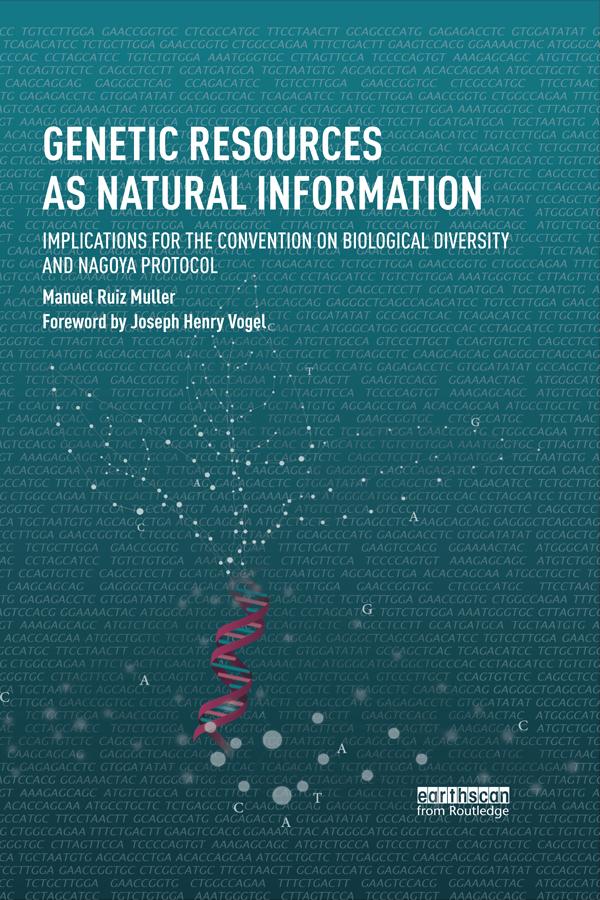
Demonstrating the shortcomings of current policy and legal approaches to access and benefit-sharing (ABS) in the Convention on Biological Diversity (CBD), this book recognizes that genetic resources are widely distributed across countries and that bilateral contracts undermine fairness and equity. The book offers a practical and feasible regulatory alternative to ensure the goal of fairness and equity is effectively and efficiently met.
Through a legal analysis that also incorporates historic, economic and sociological perspectives, the book argues that genetic resources are not tangible resources but information. It shows that the existing preference for bilateralism and contracts reflects resistance on the part of many of the stakeholders involved in the CBD process to recognize them as such. ABS issues respond very well to the economics of information, yet as the author explains, these have been either sidelined or overlooked.
At a time when the Nagoya Protocol on ABS has renewed interest in feasible policy options, the author provides a constructive and provocative critique. The institutional, policy and regulatory framework constitute "bounded openness" under which fairness and equity emerge.
Betaal eenvoudig met kaart, Klarna, Apple Pay of Google Pay. Niet tevreden? Je hebt altijd 14 dagen bedenktijd. Lees meer in onze voorwaarden. Heb je vragen, mail ons dan via hello@memmo.org.
Memmo maakt studeren makkelijker – waar je ook bent ter wereld. Wij brengen je cursusboeken en slimme studietools samen op één plek: samenvattingen, quizzen, podcasts en flashcards. En Ted, je studievriend die antwoord geeft op alles wat je je afvraagt. Meer dan 50.000 studenten studeren hier al – gebouwd om je sneller te laten leren en minder stress te geven.