
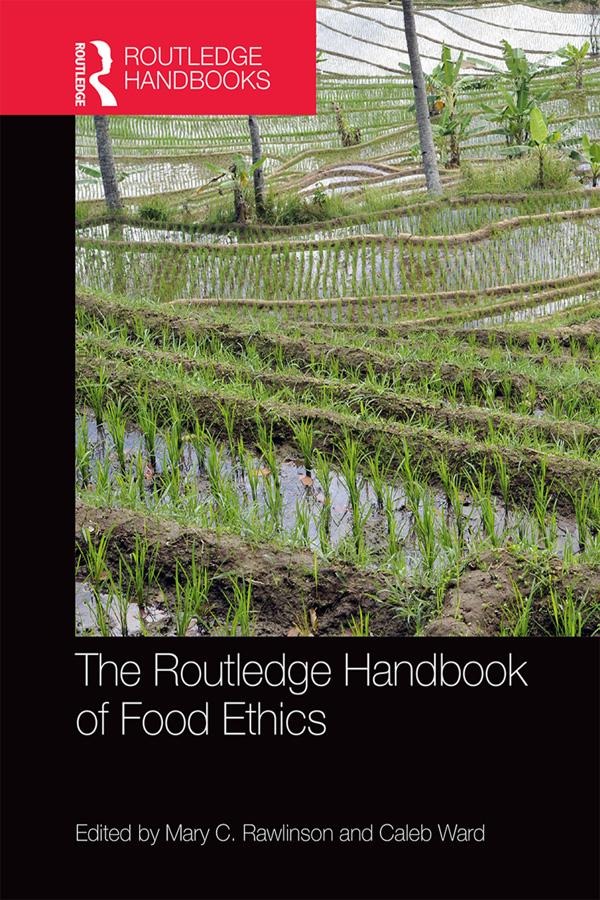
While the history of philosophy has traditionally given scant attention to food and the ethics of eating, in the last few decades the subject of food ethics has emerged as a major topic, encompassing a wide array of issues, including labor justice, public health, social inequity, animal rights and environmental ethics. This handbook provides a much needed philosophical analysis of the ethical implications of the need to eat and the role that food plays in social, cultural and political life. Unlike other books on the topic, this text integrates traditional approaches to the subject with cutting edge research in order to set a new agenda for philosophical discussions of food ethics.
The Routledge Handbook of Food Ethics is an outstanding reference source to the key topics, problems and debates in this exciting subject and is the first collection of its kind. Comprising over 35 chapters by a team of international contributors, the Handbook is divided into 7 parts:
- the phenomenology of food
- gender and food
- food and cultural diversity
- liberty, choice and food policy
- food and the environment
- farming and eating other animals
- food justice
Essential reading for students and researchers in food ethics, it is also an invaluable resource for those in related disciplines such as environmental ethics and bioethics.
Betaal eenvoudig met kaart, Klarna, Apple Pay of Google Pay. Niet tevreden? Je hebt altijd 14 dagen bedenktijd. Lees meer in onze voorwaarden. Heb je vragen, mail ons dan via hello@memmo.org.
Memmo maakt studeren makkelijker – waar je ook bent ter wereld. Wij brengen je cursusboeken en slimme studietools samen op één plek: samenvattingen, quizzen, podcasts en flashcards. En Ted, je studievriend die antwoord geeft op alles wat je je afvraagt. Meer dan 50.000 studenten studeren hier al – gebouwd om je sneller te laten leren en minder stress te geven.