
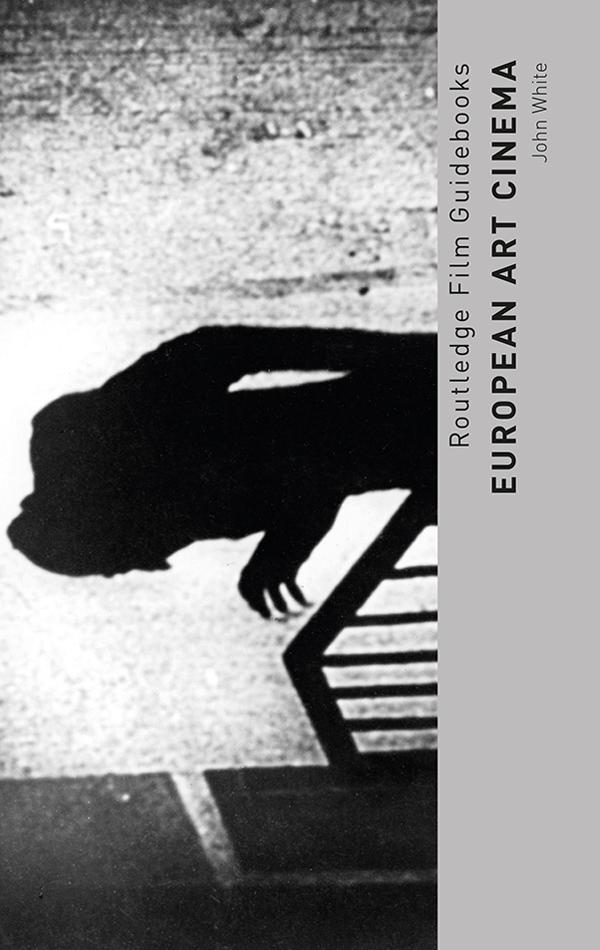
European art cinema includes some of the most famous films in cinema history. It is elite filmmaking that stands in direct opposition to popular cinema; and yet, it also has an intimate relationship with Hollywood.
This guidebook sketches successive phases of art cinema in Europe from its early beginnings of putting Shakespeare’s plays on the screen, through movements such as Expressionism and Surrealism, to the New Waves of the 1960s and more recent incarnations like Dogme 95. Using film examples, John White examines basic critical approaches to art cinema such as semiotics and auteur theory, as well as addressing recurring themes and ideas such as existentialism and Christian belief. The different levels of political commitment and social criticism, which appear in many of these films, are also discussed.
The book includes case studies of eight representative films:
• The Cabinet of Dr Caligari (Wiene, 1920)
• Earth (Dovzhenko, 1930)
• A Man Escaped (Bresson, 1956)
• Hiroshima mon amour (Resnais, 1959)
• Aguirre, Wrath of God (Herzog, 1972)
• Comrades (Douglas, 1986)
• Le Quattro Volte (Frammartino, 2010)
• Silence (Collins, 2012).
Betaal eenvoudig met kaart, Klarna, Apple Pay of Google Pay. Niet tevreden? Je hebt altijd 14 dagen bedenktijd. Lees meer in onze voorwaarden. Heb je vragen, mail ons dan via hello@memmo.org.
Memmo maakt studeren makkelijker – waar je ook bent ter wereld. Wij brengen je cursusboeken en slimme studietools samen op één plek: samenvattingen, quizzen, podcasts en flashcards. En Ted, je studievriend die antwoord geeft op alles wat je je afvraagt. Meer dan 50.000 studenten studeren hier al – gebouwd om je sneller te laten leren en minder stress te geven.