
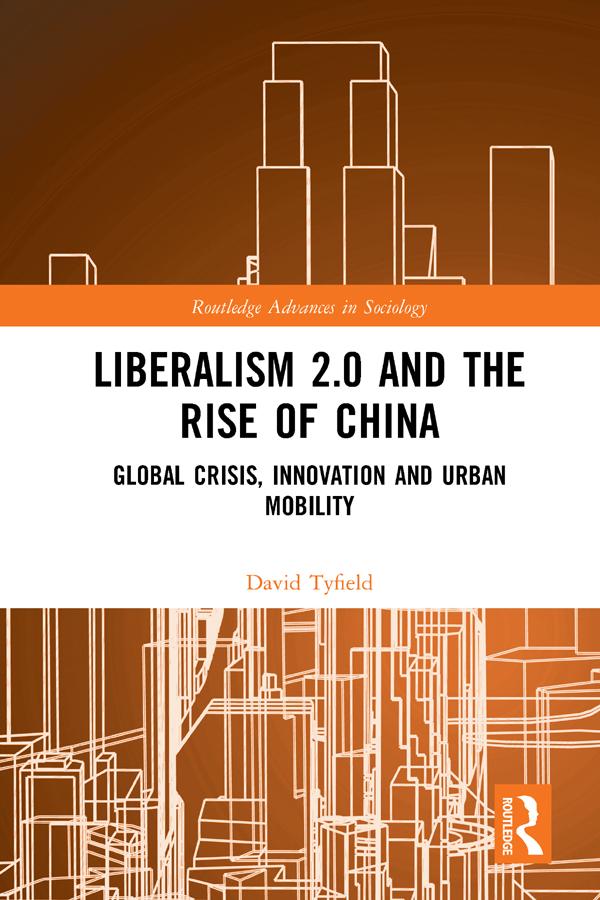
What can we do in this period of historic, global turbulence? Mainstream narratives have no plausible account of how to stop exacerbating the multiple, overlapping challenges; much less begin to address them meaningfully. The only thing everyone agrees is innovation will be needed.
But what is innovation? Usually, it is understood as new technologies that will ‘solve’ specific ‘problems’ – and, it is hoped, return life to a ‘business as usual’ of progress in individual freedom and wealth. But innovation is a thoroughly social process with profound implications for the arrangement of power in a society, hence shaping the emergence of new social systems. Exploring evidence from the key arenas of low-carbon innovation, including in the pivotal location of a rising China, this book describes the global systemic crisis of a neoliberal world order and the embryonic emergence of an alternative global power regime of a ‘liberalism 2.0’. This augurs both a web 2.0-based revitalization of the classical liberalism of the nineteenth century and new Dickensian inequalities and injustices. Against hopes that the present is a ‘revolutionary’ moment, therefore, political engagement with this emerging power regime is thus presented as the most productive strategy for a progressive twenty-first century politics.
Betaal eenvoudig met kaart, Klarna, Apple Pay of Google Pay. Niet tevreden? Je hebt altijd 14 dagen bedenktijd. Lees meer in onze voorwaarden. Heb je vragen, mail ons dan via hello@memmo.org.
Memmo maakt studeren makkelijker – waar je ook bent ter wereld. Wij brengen je cursusboeken en slimme studietools samen op één plek: samenvattingen, quizzen, podcasts en flashcards. En Ted, je studievriend die antwoord geeft op alles wat je je afvraagt. Meer dan 50.000 studenten studeren hier al – gebouwd om je sneller te laten leren en minder stress te geven.