
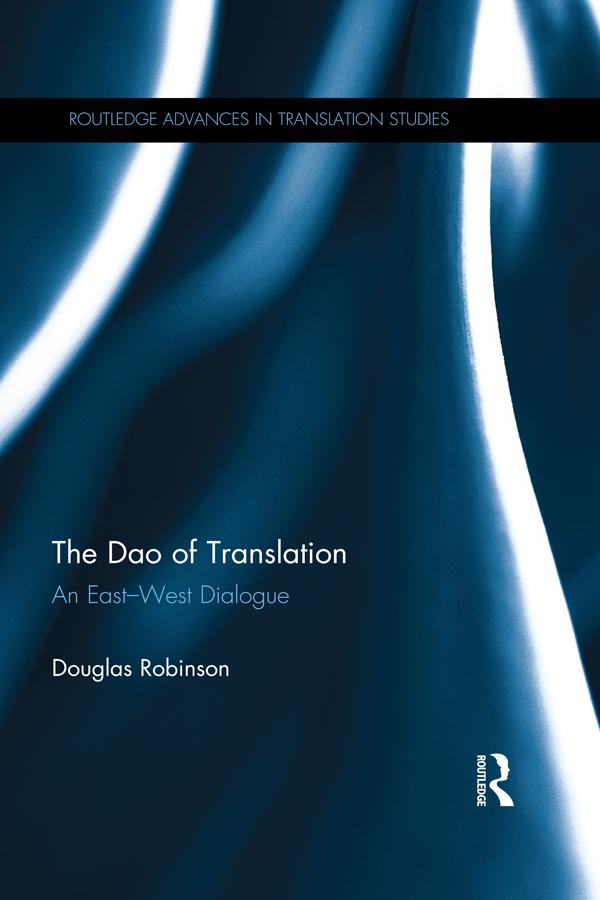
The Dao of Translation sets up an East-West dialogue on the nature of language and translation, and specifically on the "unknown forces" that shape the act of translation. To that end it mobilizes two radically different readings of the Daodejing (formerly romanized as the Tao Te Ching): the traditional "mystical" reading according to which the Dao is a mysterious force that cannot be known, and a more recent reading put forward by Sinologists Roger T. Ames and David L. Hall, to the effect that the Dao is simply the way things happen. Key to Ames and Hall’s reading is that what makes the Dao seem both powerful and mysterious is that it channels habit into action—or what the author calls social ecologies, or icoses. The author puts Daoism (and ancient Confucianism) into dialogue with nineteenth-century Western theorists of the sign, Charles Sanders Peirce and Ferdinand de Saussure (and their followers), in order to develop an "icotic" understanding of the tensions between habit and surprise in the activity of translating.
The Dao of Translation will interest linguists and translation scholars. This book will also engage researchers of ancient Chinese philosophy and provide Western scholars with a thought-provoking cross-examination of Eastern and Western perspectives.
Betaal eenvoudig met kaart, Klarna, Apple Pay of Google Pay. Niet tevreden? Je hebt altijd 14 dagen bedenktijd. Lees meer in onze voorwaarden. Heb je vragen, mail ons dan via hello@memmo.org.
Memmo maakt studeren makkelijker – waar je ook bent ter wereld. Wij brengen je cursusboeken en slimme studietools samen op één plek: samenvattingen, quizzen, podcasts en flashcards. En Ted, je studievriend die antwoord geeft op alles wat je je afvraagt. Meer dan 50.000 studenten studeren hier al – gebouwd om je sneller te laten leren en minder stress te geven.