
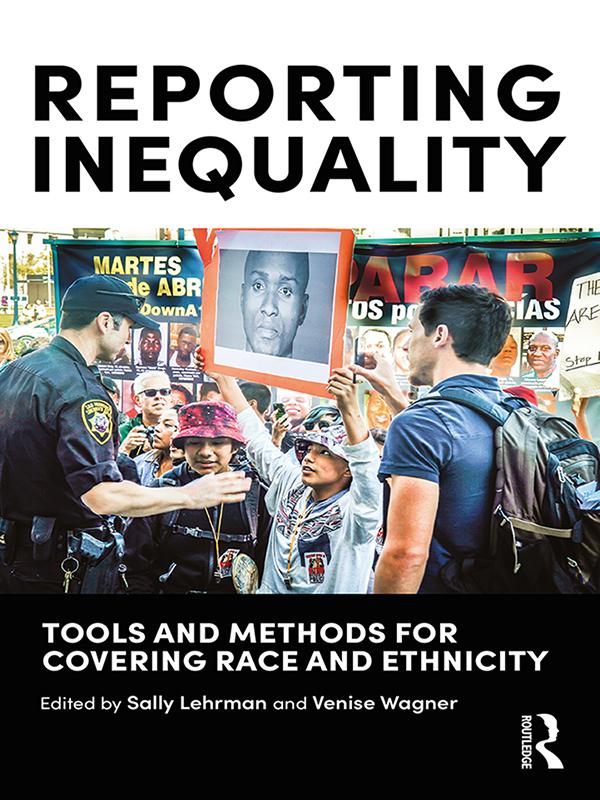
Under increasingly intense newsroom demands, reporters often find it difficult to cover the complexity of topics that deal with racial and social inequality. This path-breaking book lays out simple, effective reporting strategies that equip journalists to investigate disparity’s root causes.
Chapters discuss how racially disparate outcomes in health, education, wealth/income, housing, and the criminal justice system are often the result of inequity in opportunity and also provide theoretical frameworks for understanding the roots of racial inequity. Examples of model reporting from ProPublica, the Center for Public Integrity, and the San Jose Mercury News showcase best practice in writing while emphasizing community-based reporting. Throughout the book, tools and practical techniques such as the Fault Lines framework, the Listening Post and the authors' Opportunity Index and Upstream-Downstream Framework all help journalists improve their awareness and coverage of structural inequity at a practical level.
For students and journalists alike, Reporting Inequality is an ideal resource for understanding how to cover structures of injustice with balance and precision.
Betaal eenvoudig met kaart, Klarna, Apple Pay of Google Pay. Niet tevreden? Je hebt altijd 14 dagen bedenktijd. Lees meer in onze voorwaarden. Heb je vragen, mail ons dan via hello@memmo.org.
Memmo maakt studeren makkelijker – waar je ook bent ter wereld. Wij brengen je cursusboeken en slimme studietools samen op één plek: samenvattingen, quizzen, podcasts en flashcards. En Ted, je studievriend die antwoord geeft op alles wat je je afvraagt. Meer dan 50.000 studenten studeren hier al – gebouwd om je sneller te laten leren en minder stress te geven.