
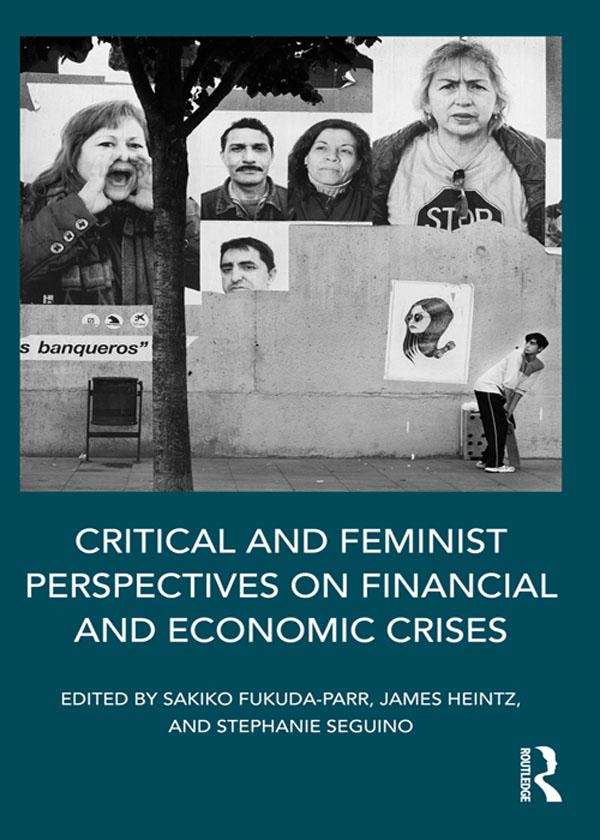
Economic and financial crises have become perennial features of today’s global economy. Macroeconomic theories of crisis, including the global crisis that unfolded in 2008, emphasize the role of financial deregulation; capital flow imbalances; and growing debt, fueled by income and wealth inequality. These approaches tend to be divorced from feminist thinking which analyzes broader distributional dynamics transmitted through structural channels and government policy responses, with an emphasis on gender, race, class and ethnicity. This volume brings together innovative thinking from heterodox macroeconomists and feminist economists to explore the causes, consequences, and ramifications of economic crises. By doing so, it highlights aspects of the economy that are frequently overlooked or ignored, such as the impact of crises on the vast amount of unpaid work which women perform relative to men. The collection of international studies assembled here takes an innovative approach to analyzing a range of issues, from the subprime mortgage crisis to the gendered effects of austerity to the role of the International Monetary Fund in governing an unstable global economy. In so doing, it looks beyond causes and consequences and points to new directions for macroeconomic and financial policy. This book was originally published as a special issue of Feminist Economics.
Betaal eenvoudig met kaart, Klarna, Apple Pay of Google Pay. Niet tevreden? Je hebt altijd 14 dagen bedenktijd. Lees meer in onze voorwaarden. Heb je vragen, mail ons dan via hello@memmo.org.
Memmo maakt studeren makkelijker – waar je ook bent ter wereld. Wij brengen je cursusboeken en slimme studietools samen op één plek: samenvattingen, quizzen, podcasts en flashcards. En Ted, je studievriend die antwoord geeft op alles wat je je afvraagt. Meer dan 50.000 studenten studeren hier al – gebouwd om je sneller te laten leren en minder stress te geven.