
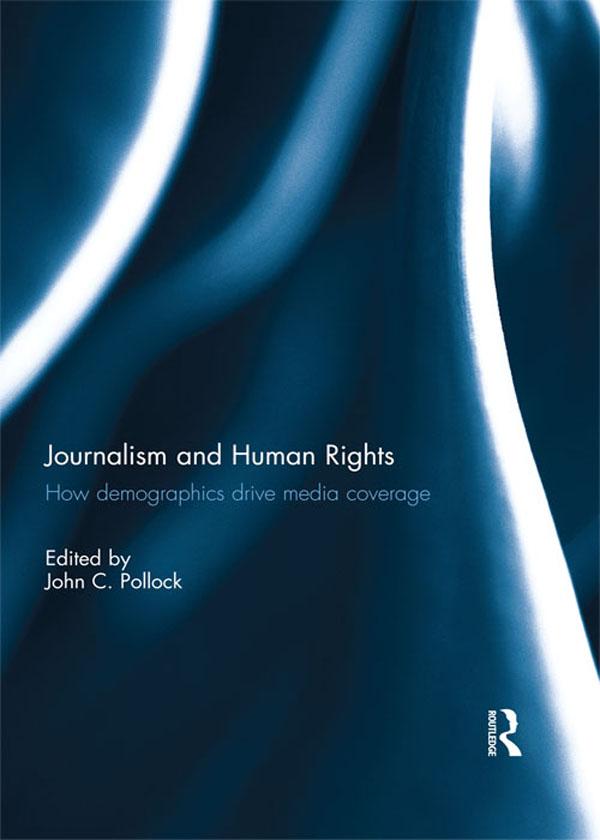
This book is the first collection of original research to explore links between demographics and media coverage of emerging human rights issues. It covers cross-national reporting on human trafficking, HIV/AIDS, water contamination, and child labour; and same-sex marriage, Guantanamo detainee rights, immigration reform, and post-traumatic stress disorder in the United States. The research asks questions such as: What are the principal catalysts that propel rights issues into media agendas? Why do some surface more quickly than others? And how do the demographics of cross-national reporting differ from those driving multi-city US nationwide coverage of rights claims?
Using community structure theory and innovative Media Vector content analysis, the eight chapters of this book reveal three striking patterns that show how differences in female empowerment, social or economic vulnerability, and Midwestern newspaper geographic location, link powerfully with variations in coverage of rights issues. The patterns connecting demographics and rights claims confirm that coverage of human rights can mirror the concerns of stakeholders and vulnerable groups, contrary to conventional assumptions that media typically serve as "guard dogs" reinforcing the interests of political and economic elites.
This book was originally published as a special issue of The Atlantic Journal of Communication.
Betaal eenvoudig met kaart, Klarna, Apple Pay of Google Pay. Niet tevreden? Je hebt altijd 14 dagen bedenktijd. Lees meer in onze voorwaarden. Heb je vragen, mail ons dan via hello@memmo.org.
Memmo maakt studeren makkelijker – waar je ook bent ter wereld. Wij brengen je cursusboeken en slimme studietools samen op één plek: samenvattingen, quizzen, podcasts en flashcards. En Ted, je studievriend die antwoord geeft op alles wat je je afvraagt. Meer dan 50.000 studenten studeren hier al – gebouwd om je sneller te laten leren en minder stress te geven.