
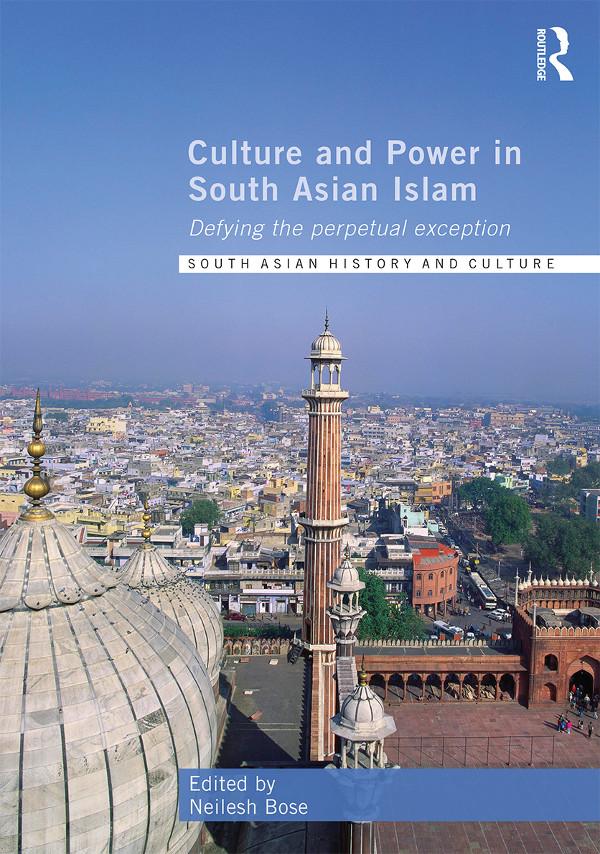
This book explores the myriad diversities of South Asian Islam from a historical perspective attuned to the lived practices of Muslims in various portions of South Asia, outside of Urdu, Persian, or Arabic language perspectives. These perspectives are, in some cases taken both from literal regions rarely noticed within discussions of South Asian Islam, such as Sri Lanka, Bengal, and Tamil Nadu. In other contributions the perspectives draw on historiographic interventions about the role of fakīrs in South Asian history, qasbahs in South Asian history, and the role of Aligarh students within the Pakistan movement. As a collection of voices aimed at stimulating debate about the range and diversity of South Asian Islam, the book probes meanings and markers of categories like "Indic," "Islamicate," and "local" or "global" Islam within the context of South Asia. Relevant to debates in the history of South Asia as well as Islamic studies, this collection will serve as a reference point for discussions about South Asian Islam as well as the nature and role of vernacularization as a cultural process. This book was originally published as a special issue of South Asian History and Culture.
Betaal eenvoudig met kaart, Klarna, Apple Pay of Google Pay. Niet tevreden? Je hebt altijd 14 dagen bedenktijd. Lees meer in onze voorwaarden. Heb je vragen, mail ons dan via hello@memmo.org.
Memmo maakt studeren makkelijker – waar je ook bent ter wereld. Wij brengen je cursusboeken en slimme studietools samen op één plek: samenvattingen, quizzen, podcasts en flashcards. En Ted, je studievriend die antwoord geeft op alles wat je je afvraagt. Meer dan 50.000 studenten studeren hier al – gebouwd om je sneller te laten leren en minder stress te geven.