
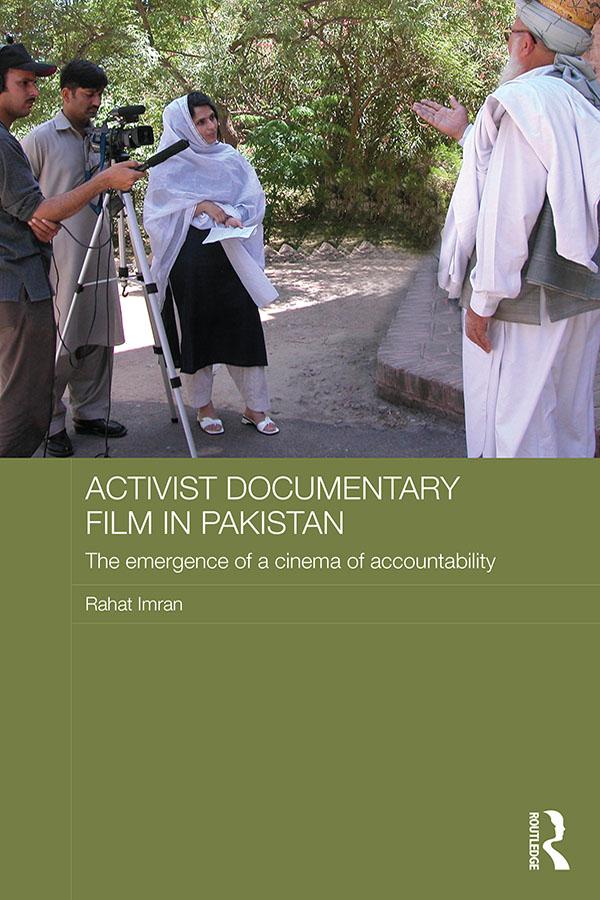
This book, the first academic book on Pakistani documentary cinema, traces the development of activist filmmaking practices in Pakistan which have emerged as a response to the consequences of religious fundamentalism, extremism, and violation of human rights. Beginning with the period of General Zia-ul-Haq’s Islamization process (1977-88), it discusses a selection of representative documentary films that have critically addressed and documented the various key transformations, events, and developments that have shaped Pakistan’s socio-political, socio-economic, and cultural history. Such activist filmmaking practice in Pakistan is today an influential factor in addressing the politics, and negative and oppressive effects of the Islamization era, discriminatory laws, particularly gender-discriminatory Sharia laws, violation of human and citizen rights, authoritarianism, internal strife, the spread of religious fundamentalism, and the threat of Talibanization, and oppressive tribal customs and traditions. The contribution of Pakistani documentary filmmakers stands as a significant body of work that has served the cause of human rights, promoting awareness and social change in Pakistan, particularly regarding gender rights.
Betaal eenvoudig met kaart, Klarna, Apple Pay of Google Pay. Niet tevreden? Je hebt altijd 14 dagen bedenktijd. Lees meer in onze voorwaarden. Heb je vragen, mail ons dan via hello@memmo.org.
Memmo maakt studeren makkelijker – waar je ook bent ter wereld. Wij brengen je cursusboeken en slimme studietools samen op één plek: samenvattingen, quizzen, podcasts en flashcards. En Ted, je studievriend die antwoord geeft op alles wat je je afvraagt. Meer dan 50.000 studenten studeren hier al – gebouwd om je sneller te laten leren en minder stress te geven.