
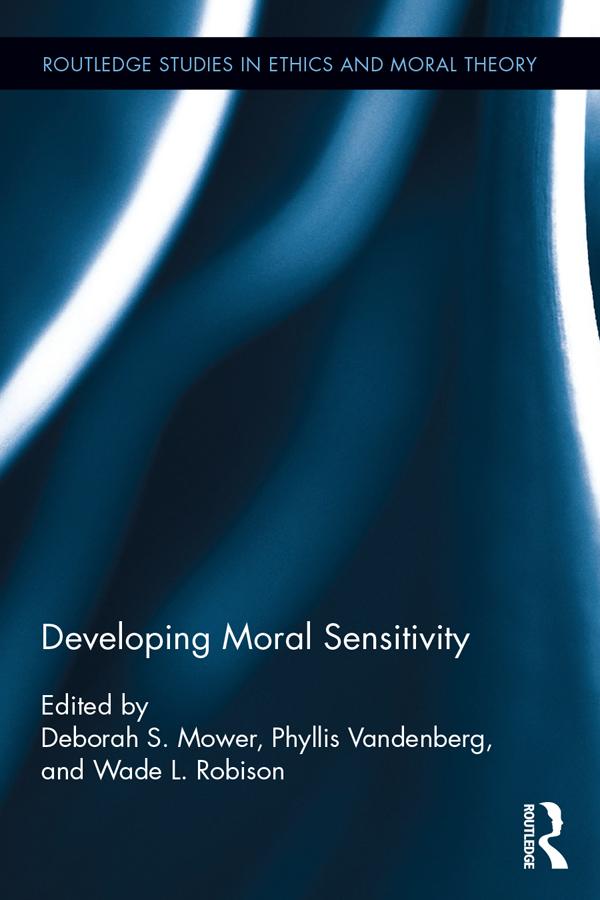
Moral sensitivity affects whether and how we see others, note moral concerns, respond with delicacy, and navigate complex social interactions. Scholars from a variety of fields explore the concept of moral sensitivity and how it develops, beginning with a natural moral capacity for sensitivity towards others that is shaped in a variety of ways through relationships, forms of teaching, and social institutions. Each of these influences alters the capacity as well as one’s responses in complex ways. The concept of moral sensitivity deepens as progressive chapters demonstrate its increasing complexity through development within individuals, over time, as they mature, and as their relationships and social contexts expand. The chapters integrate research from philosophy, psychology, neuroscience, literature, education, and media and technology studies, with key chapters by Darcia Narváez, Nancy E. Snow, Michael S. Pritchard, and Stephen J. Thoma and a Foreword by Owen Flanagan. It is the only comprehensive presentation of interdisciplinary work on moral sensitivity that integrates a theoretical, methodological, and pedagogical analysis. This highly interdisciplinary approach provides a new way of thinking about the relationship of individuals to society and moral sensitivity as a social phenomenon, extending current research in ethics, moral psychology, and psychology toward situated, embodied, and contextual analyses.
Betaal eenvoudig met kaart, Klarna, Apple Pay of Google Pay. Niet tevreden? Je hebt altijd 14 dagen bedenktijd. Lees meer in onze voorwaarden. Heb je vragen, mail ons dan via hello@memmo.org.
Memmo maakt studeren makkelijker – waar je ook bent ter wereld. Wij brengen je cursusboeken en slimme studietools samen op één plek: samenvattingen, quizzen, podcasts en flashcards. En Ted, je studievriend die antwoord geeft op alles wat je je afvraagt. Meer dan 50.000 studenten studeren hier al – gebouwd om je sneller te laten leren en minder stress te geven.