
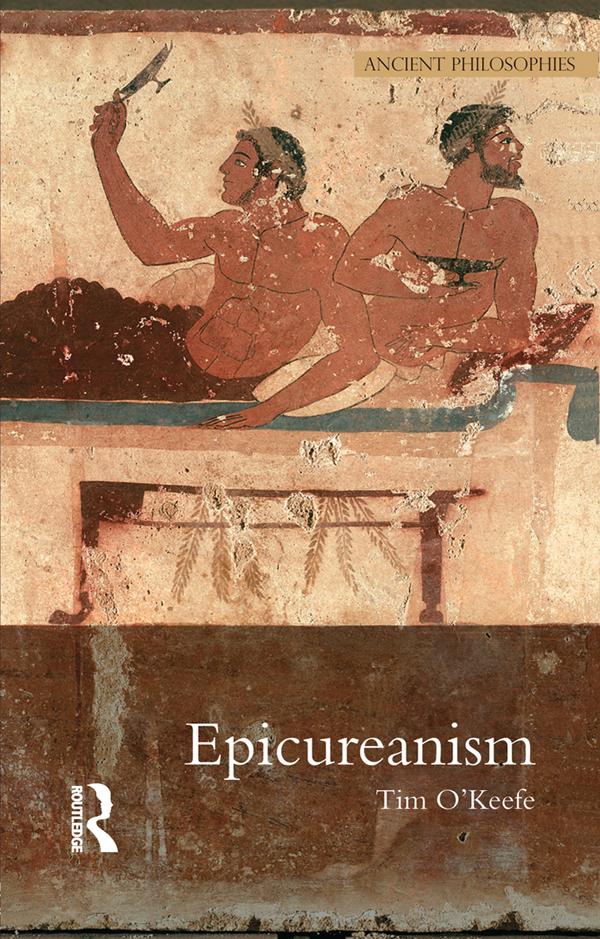
The Epicurean school of philosophy was one of the dominant philosophies of the Hellenistic period. Founded by Epicurus of Samos (century 341-270 BCE) it was characterized by an empiricist epistemology and a hedonistic ethics. This new introduction to Epicurus offers readers clear exposition of the central tenets of Epicurus' philosophy, with particular stress placed on those features that have enduring philosophical interest and where parallels can be drawn with debates in contemporary analytic philosophy. Part 1 of the book examines the fundamentals of Epicurus' metaphysics, including atoms and the void, emergent and sensible properties, cosmology, mechanistic biology, the nature and functioning of the mind, death, and freedom of action. Part 2 explores Epicurus' epistemology, including his arguments against scepticism and his ideas on sensations, preconceptions and feelings. The final part deals with Epicurus' ethics, exploring his arguments for hedonism, his distinctive conceptions of types of pleasure and desire, his belief in virtue, his notions of justice, friendship and his theology. O'Keefe provides extended exegesis of the arguments supporting Epicurus' positions, indicating their strengths and weaknesses, while showing the connections between the various parts of his philosophy and how Epicureanism hangs together as a whole.
Betaal eenvoudig met kaart, Klarna, Apple Pay of Google Pay. Niet tevreden? Je hebt altijd 14 dagen bedenktijd. Lees meer in onze voorwaarden. Heb je vragen, mail ons dan via hello@memmo.org.
Memmo maakt studeren makkelijker – waar je ook bent ter wereld. Wij brengen je cursusboeken en slimme studietools samen op één plek: samenvattingen, quizzen, podcasts en flashcards. En Ted, je studievriend die antwoord geeft op alles wat je je afvraagt. Meer dan 50.000 studenten studeren hier al – gebouwd om je sneller te laten leren en minder stress te geven.
Misschien vind je dit ook leuk
Koop het boek0