
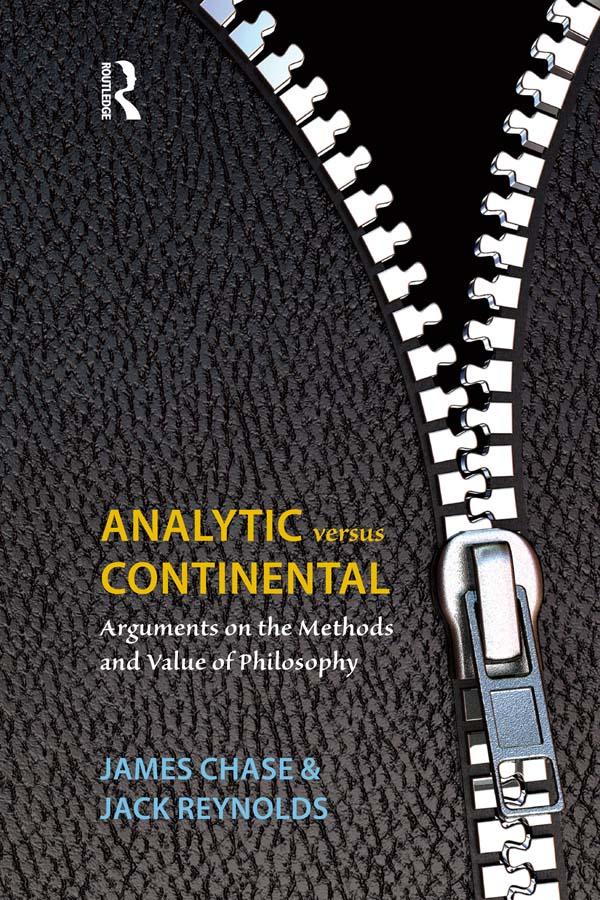
Throughout much of the twentieth century, the relationship between analytic and continental philosophy has been one of disinterest, caution or hostility. Recent debates in philosophy have highlighted some of the similarities between the two approaches and even envisaged a post-continental and post-analytic philosophy. Opening with a history of key encounters between philosophers of opposing camps since the late nineteenth century - from Frege and Husserl to Derrida and Searle - the book goes on to explore in detail the main methodological differences between the two approaches. This covers a very wide range of topics, from issues of style and clarity of exposition to formal methods arising from logic and probability theory. The final section of this book presents a balanced critique of the two schools' approaches to key issues such as time, truth, subjectivity, mind and body, language and meaning, and ethics. "Analytic versus Continental" is the first sustained analysis of both approaches to philosophy, examining the limits and possibilities of each. It provides a clear overview of a much-disputed history and, in highlighting the strengths and weaknesses of both traditions, also offers future directions for both continental and analytic philosophy.
Betaal eenvoudig met kaart, Klarna, Apple Pay of Google Pay. Niet tevreden? Je hebt altijd 14 dagen bedenktijd. Lees meer in onze voorwaarden. Heb je vragen, mail ons dan via hello@memmo.org.
Memmo maakt studeren makkelijker – waar je ook bent ter wereld. Wij brengen je cursusboeken en slimme studietools samen op één plek: samenvattingen, quizzen, podcasts en flashcards. En Ted, je studievriend die antwoord geeft op alles wat je je afvraagt. Meer dan 50.000 studenten studeren hier al – gebouwd om je sneller te laten leren en minder stress te geven.
Misschien vind je dit ook leuk
Koop het boek0