
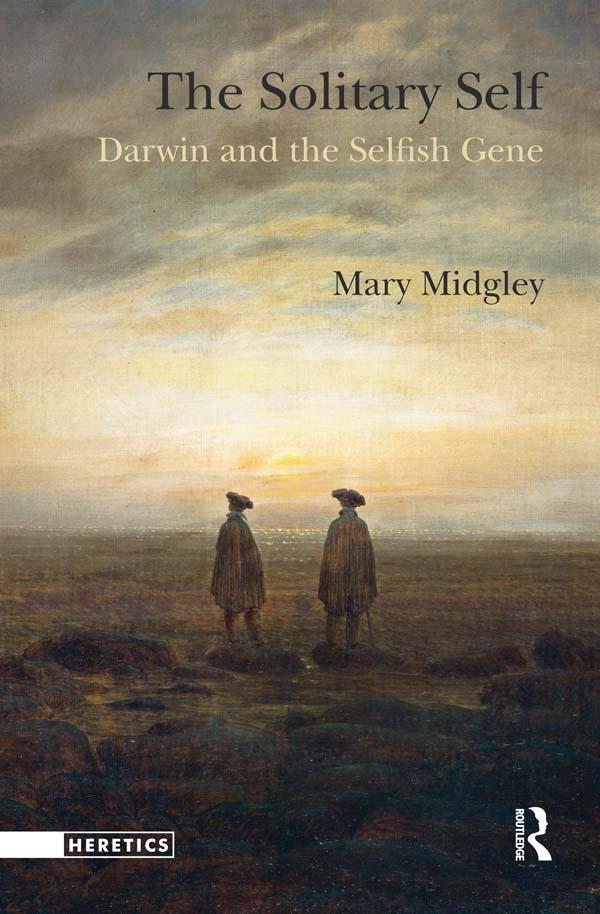
Renowned philosopher Mary Midgley explores the nature of our moral constitution to challenge the view that reduces human motivation to self-interest. Midgley argues cogently and convincingly that simple, one-sided accounts of human motives, such as the 'selfish gene' tendency in recent neo-Darwinian thought, may be illuminating but are always unrealistic. Such neatness, she shows, cannot be imposed on human psychology. She returns to Darwin's original writings to show how the reductive individualism which is now presented as Darwinism does not derive from Darwin but from a wider, Hobbesian tradition in Enlightenment thinking. She reveals the selfish gene hypothesis as a cultural accretion that is just not seen in nature. Heroic independence is not a realistic aim for Homo sapiens. We are, as Darwin saw, earthly organisms, framed to interact constantly with one another and with the complex ecosystems of which we are a tiny part. For us, bonds are not just restraints but also lifelines.
Pagina's: 176
Categorie: Filosofi
e-ISBN: 9781317488231
Verzendgewicht: 1.2 kg
Verzending binnen: 1-2 dagen
Betaal eenvoudig met kaart, Klarna, Apple Pay of Google Pay. Niet tevreden? Je hebt altijd 14 dagen bedenktijd. Lees meer in onze voorwaarden. Heb je vragen, mail ons dan via hello@memmo.org.
Memmo maakt studeren makkelijker – waar je ook bent ter wereld. Wij brengen je cursusboeken en slimme studietools samen op één plek: samenvattingen, quizzen, podcasts en flashcards. En Ted, je studievriend die antwoord geeft op alles wat je je afvraagt. Meer dan 50.000 studenten studeren hier al – gebouwd om je sneller te laten leren en minder stress te geven.
Misschien vind je dit ook leuk
Koop het boek0