
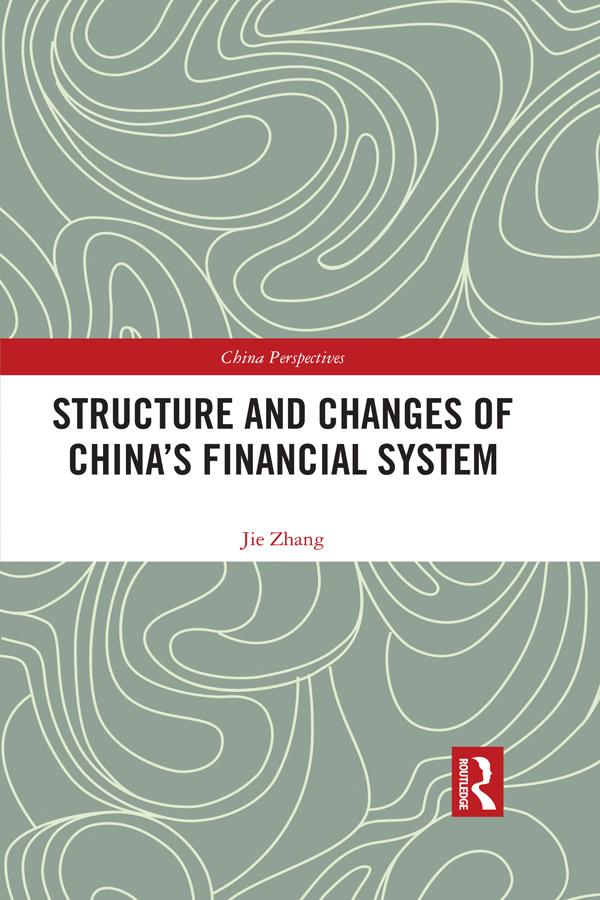
By virtue of several theoretical models and hypotheses, this book is one of the earliest studies which systematically investigates the structure and changes of China’s financial institutions.
To begin with, it examines the relation between state utility function and China’s economic growth, and reveals the formation and transition of China’s state-owned financial institutional arrangements. Based on this analysis, the author studies the influence of monetization on the arrangements, and the financial support to China’s gradual reform which have long been neglected by researchers. Also, the model of money demand that can explain the specific conditions of the gradual reform is built, as the neoclassical framework has been incapable of explaining China’s financial performance. In the last chapter, it discusses the dilemma of property rights under the state-owned financial system, with the establishment of the credit equilibrium model and the dual model of bad debts.
With insightful theoretical analysis and empirical researches, this book will appeal to scholars and students in finance, economics and economic history.
Betaal eenvoudig met kaart, Klarna, Apple Pay of Google Pay. Niet tevreden? Je hebt altijd 14 dagen bedenktijd. Lees meer in onze voorwaarden. Heb je vragen, mail ons dan via hello@memmo.org.
Memmo maakt studeren makkelijker – waar je ook bent ter wereld. Wij brengen je cursusboeken en slimme studietools samen op één plek: samenvattingen, quizzen, podcasts en flashcards. En Ted, je studievriend die antwoord geeft op alles wat je je afvraagt. Meer dan 50.000 studenten studeren hier al – gebouwd om je sneller te laten leren en minder stress te geven.