
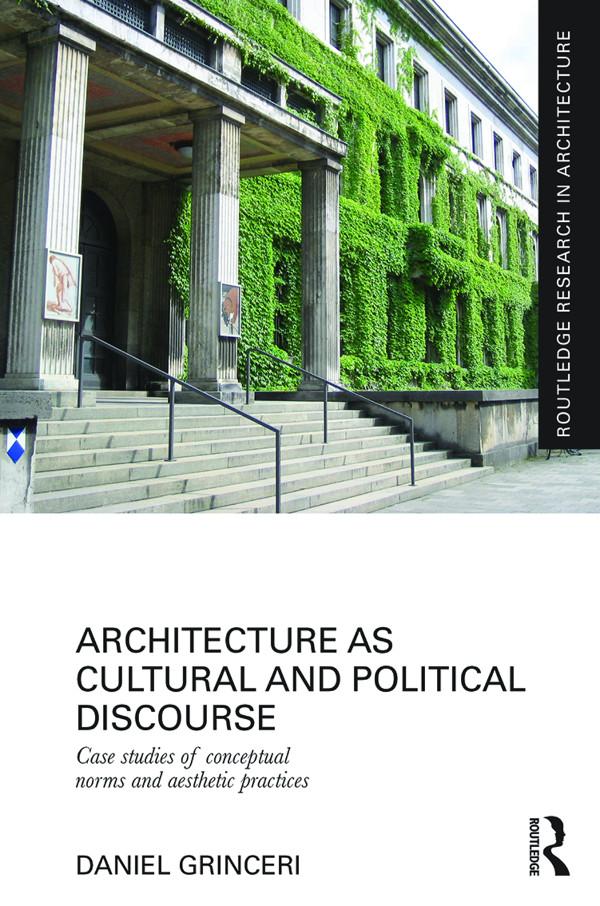
This book is concerned with cultural and political discourses that affect the production of architecture. It examines how these discursive mechanisms and technologies combine to normalise and aestheticise everyday practices. It queries the means by which buildings are appropriated to give shape and form to political aspirations and values. Architecture is not overtly political. It does not coerce people to behave in certain ways. However, architecture is constructed within the same rules and practices whereby people and communities self-govern and regulate themselves to think and act in certain ways. This book seeks to examine these rules through various case studies including: the reconstructed Notre Dame Cathedral, the Nazi era Munich Konigsplatz, Auschwitz concentration camp and the Prora resort, Sydney’s suburban race riots, and the Australian Immigration Detention Centre on Christmas Island.
Betaal eenvoudig met kaart, Klarna, Apple Pay of Google Pay. Niet tevreden? Je hebt altijd 14 dagen bedenktijd. Lees meer in onze voorwaarden. Heb je vragen, mail ons dan via hello@memmo.org.
Memmo maakt studeren makkelijker – waar je ook bent ter wereld. Wij brengen je cursusboeken en slimme studietools samen op één plek: samenvattingen, quizzen, podcasts en flashcards. En Ted, je studievriend die antwoord geeft op alles wat je je afvraagt. Meer dan 50.000 studenten studeren hier al – gebouwd om je sneller te laten leren en minder stress te geven.