
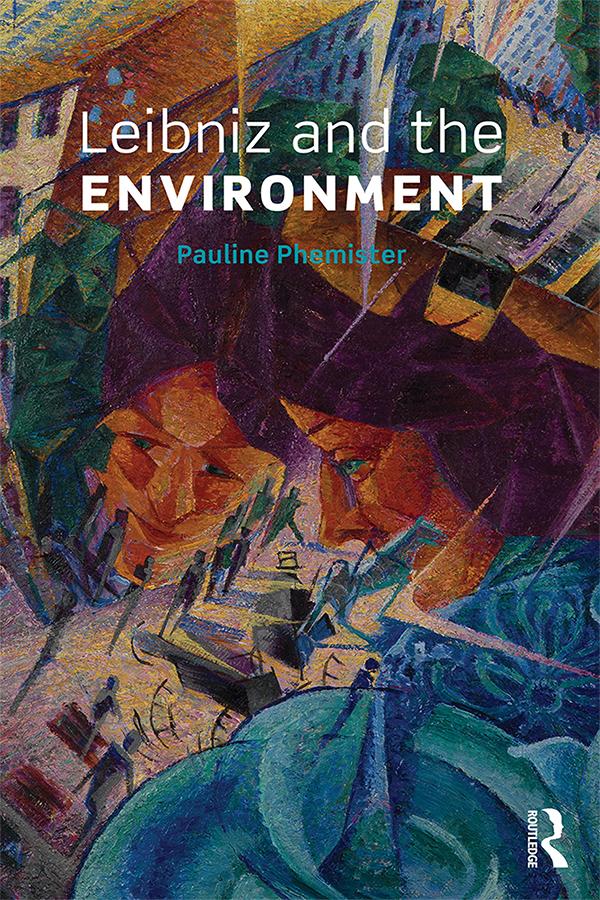
The work of seventeenth-century polymath Gottfried Wilhelm Leibniz has proved inspirational to philosophers and scientists alike. In this thought-provoking book, Pauline Phemister explores the ecological potential of Leibniz’s dynamic, pluralist, panpsychist, metaphysical system. She argues that Leibniz’s philosophy has a renewed relevance in the twenty-first century, particularly in relation to the environmental change and crises that threaten human and non-human life on earth.
Drawing on Leibniz’s theory of soul-like, interconnected metaphysical entities he termed 'monads', Phemister explains how an individual’s true good is inextricably linked to the good of all. Phemister also finds in Leibniz’s works the rudiments of a theory of empathy and strategies for strengthening human feelings of compassion towards all living things.
Leibniz and the Environment is essential reading for historians of philosophy and environmental philosophers, and will also be of interest to anyone seeking a metaphysical perspective from which to pursue environmental action and policy.
Betaal eenvoudig met kaart, Klarna, Apple Pay of Google Pay. Niet tevreden? Je hebt altijd 14 dagen bedenktijd. Lees meer in onze voorwaarden. Heb je vragen, mail ons dan via hello@memmo.org.
Memmo maakt studeren makkelijker – waar je ook bent ter wereld. Wij brengen je cursusboeken en slimme studietools samen op één plek: samenvattingen, quizzen, podcasts en flashcards. En Ted, je studievriend die antwoord geeft op alles wat je je afvraagt. Meer dan 50.000 studenten studeren hier al – gebouwd om je sneller te laten leren en minder stress te geven.