
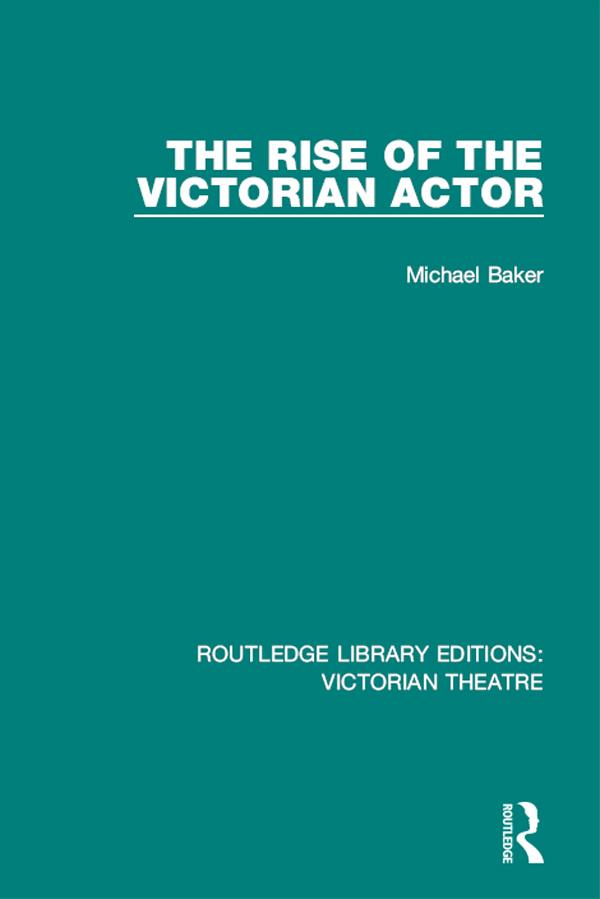
Originally published in 1978. Between 1830 and 1890 the English theatre became recognisably modern. Standards of acting and presentation improved immeasurably, new playwrights emerged, theatres became more comfortable and more intimate and playgoing became a national pastime with all classes. The actor’s status rose accordingly. In 1830 he had been little better than a social outcast; by 1880 he had become a member of a skilled, relatively well-paid and respected profession which was attracting new recruits in unprecedented numbers.
This is a social history of Victorian actors which seeks to show how wider social attitudes and developments affected the changing status of acting as a profession. Thus the stage’s relationship with the professional world and the other arts is dealt with and is followed by an assessment of the moral and religious background which played so decisive a part in contemporary attitudes to actors. The position of actresses in particular is given special consideration.
Many non-theatrical sources are used here and there is a survey of salaries and working conditions in the theatre to show how the rising social status of the actor was matched by changes in his theatrical standing. A novel area of study is covered in tracing the changing social composition of the acting profession over the period and in exploring the case-histories of three generations of performers.
Betaal eenvoudig met kaart, Klarna, Apple Pay of Google Pay. Niet tevreden? Je hebt altijd 14 dagen bedenktijd. Lees meer in onze voorwaarden. Heb je vragen, mail ons dan via hello@memmo.org.
Memmo maakt studeren makkelijker – waar je ook bent ter wereld. Wij brengen je cursusboeken en slimme studietools samen op één plek: samenvattingen, quizzen, podcasts en flashcards. En Ted, je studievriend die antwoord geeft op alles wat je je afvraagt. Meer dan 50.000 studenten studeren hier al – gebouwd om je sneller te laten leren en minder stress te geven.