
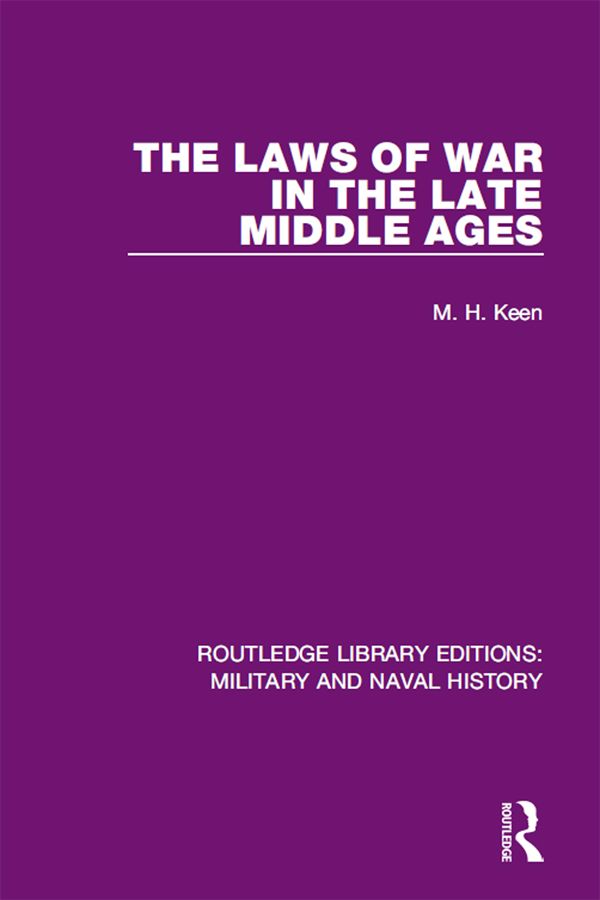
Many of the combatants in the European wars of the late middle ages fought for their own gain, but they observed a code of regulations, part chivalrous and part commercial which they called the ‘law of arms’. This book, originally published in 1965, examines this soldiers’ code, to understand its rules and how they were enforced. How did a soldier sue for ransom money if his prisoner would not pay it, and before what court? How did he know whether what he took by force was lawful spoil? As the answers to these and other questions reveal, the workings of the law of arms gave practical point to the contemporary cult of chivalry. It also had an important influence on the early development of ideas of international law.
Betaal eenvoudig met kaart, Klarna, Apple Pay of Google Pay. Niet tevreden? Je hebt altijd 14 dagen bedenktijd. Lees meer in onze voorwaarden. Heb je vragen, mail ons dan via hello@memmo.org.
Memmo maakt studeren makkelijker – waar je ook bent ter wereld. Wij brengen je cursusboeken en slimme studietools samen op één plek: samenvattingen, quizzen, podcasts en flashcards. En Ted, je studievriend die antwoord geeft op alles wat je je afvraagt. Meer dan 50.000 studenten studeren hier al – gebouwd om je sneller te laten leren en minder stress te geven.