
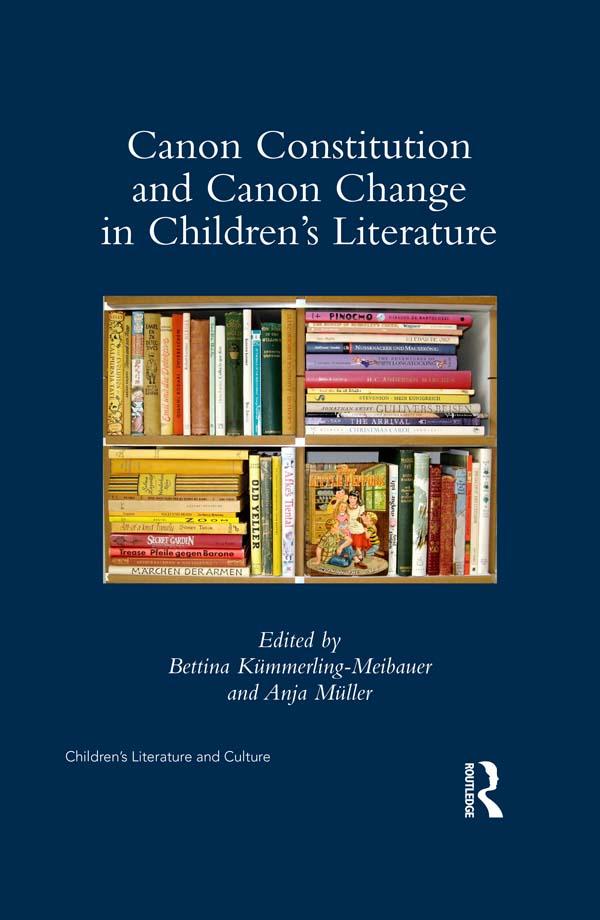
This volume focuses on the (de)canonization processes in children’s literature, considering the construction and cultural-historical changes of canons in different children’s literatures. Chapters by international experts in the field explore a wide range of different children’s literatures from Great Britain, Germany, Scandinavia, the Low Countries, Eastern and Central Europe, as well as from Non-European countries such as Australia, Israel, and the United States. Situating the inquiry within larger literary and cultural studies conversations about canonicity, the contributors assess representative authors and works that have encountered changing fates in the course of canon history. Particular emphasis is given to sociological canon theories, which have so far been under-represented in canon research in children’s literature. The volume therefore relates historical changes in the canon of children’s literature not only to historical changes in concepts of childhood but to more encompassing political, social, economic, cultural, and ideological shifts. This volume’s comparative approach takes cognizance of the fact that, if canon formation is an important cultural factor in nation-building processes, a comparative study is essential to assessing transnational processes in canon formation. This book thus renders evident the structural similarities between patterns and strategies of canon formation emerging in different children’s literatures.
Betaal eenvoudig met kaart, Klarna, Apple Pay of Google Pay. Niet tevreden? Je hebt altijd 14 dagen bedenktijd. Lees meer in onze voorwaarden. Heb je vragen, mail ons dan via hello@memmo.org.
Memmo maakt studeren makkelijker – waar je ook bent ter wereld. Wij brengen je cursusboeken en slimme studietools samen op één plek: samenvattingen, quizzen, podcasts en flashcards. En Ted, je studievriend die antwoord geeft op alles wat je je afvraagt. Meer dan 50.000 studenten studeren hier al – gebouwd om je sneller te laten leren en minder stress te geven.