
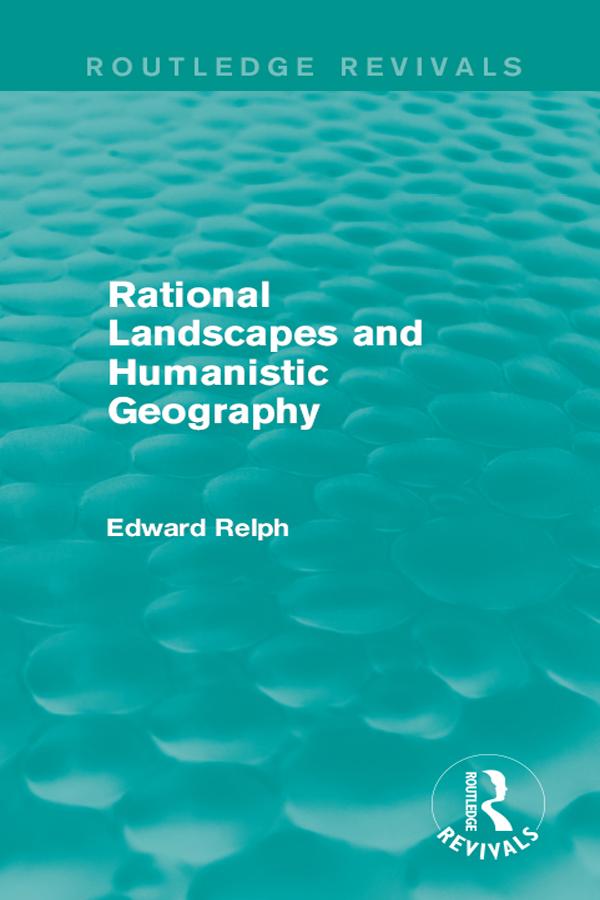
This book, first published in 1981, explores why it is that the modern built environment, while successfully providing material comfort and technical efficiency, none the less breeds despair and depression rather than inspires hope and commitment. The source of this paradox, where material benefits appear to have been gained only at the expense of intangible values and qualities is found in humanism, the persistent and powerful belief that all problems can be solved through the use of human reason. But humanism has become increasingly confused, rationalistic, callously devoted to efficiency, and authoritarian. These confusions and contradictions, together with the anti-nature stance of humanism and its failure to teach humane behaviour, lead the author to conclude that humanism is best rejected. Such rejection does not advocate the inhuman and anti-human, but requires instead a return to the ‘humility’ that lies at the origin of humanism – a respect for objects, creatures, environments and people. This ‘environmental humility’ is explored in the context of individuality of settings, ways of seeing landscapes, appropriation and ways of building places. This title will be of interest to students of human geography.
Betaal eenvoudig met kaart, Klarna, Apple Pay of Google Pay. Niet tevreden? Je hebt altijd 14 dagen bedenktijd. Lees meer in onze voorwaarden. Heb je vragen, mail ons dan via hello@memmo.org.
Memmo maakt studeren makkelijker – waar je ook bent ter wereld. Wij brengen je cursusboeken en slimme studietools samen op één plek: samenvattingen, quizzen, podcasts en flashcards. En Ted, je studievriend die antwoord geeft op alles wat je je afvraagt. Meer dan 50.000 studenten studeren hier al – gebouwd om je sneller te laten leren en minder stress te geven.