
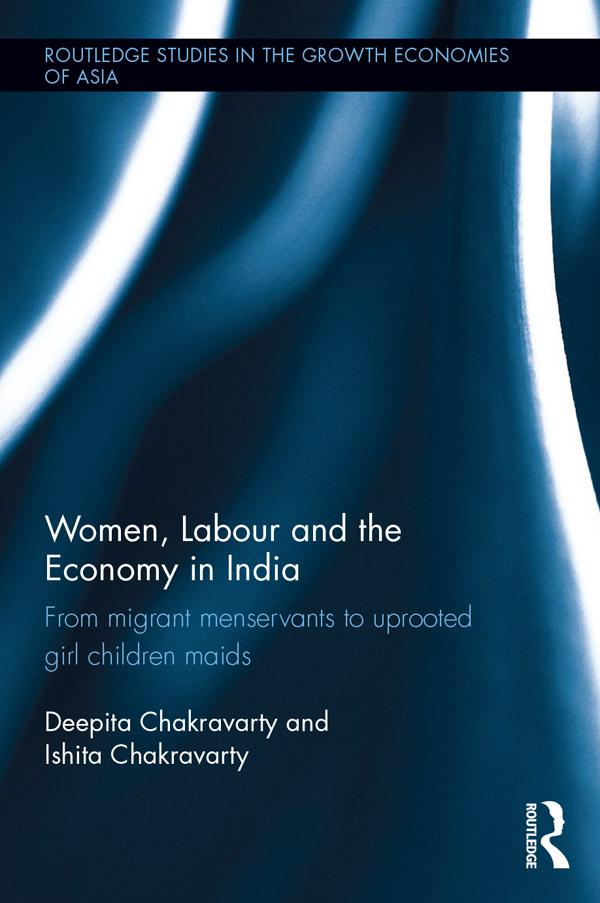
The last available census estimated around 10 per cent of total urban working women in India are concentrated in the low paid domestic services such as cleaning, cooking, and taking care of the children and the elderly. This is found to be much higher in certain parts of India, emerging as the single most important avenue for urban females, surpassing males in the service since the 1980s.
By applying an imaginative and refreshing mix of disciplinary approaches ranging from economic models of the household, empirical analysis and literary conventions, this book analyses the changing labour economy in post-partition West Bengal. It explains how and why women and girl children have replaced this traditionally male bias in the gender segregated domestic service industry since the late 1940s, and addresses the question of whether this increase in vulnerable individuals working in domestic service, the growth of the urban professional middle class in the post liberalization period, and the increasing incidences of reported abuses of domestics, in urban middleclass homes in the recent years, are related.
Covering five decades of the history of gender and labour in India, this book will be of interest to scholars working in the fields of gender and labour relations, development studies, economics, history, and women and gender studies.
Betaal eenvoudig met kaart, Klarna, Apple Pay of Google Pay. Niet tevreden? Je hebt altijd 14 dagen bedenktijd. Lees meer in onze voorwaarden. Heb je vragen, mail ons dan via hello@memmo.org.
Memmo maakt studeren makkelijker – waar je ook bent ter wereld. Wij brengen je cursusboeken en slimme studietools samen op één plek: samenvattingen, quizzen, podcasts en flashcards. En Ted, je studievriend die antwoord geeft op alles wat je je afvraagt. Meer dan 50.000 studenten studeren hier al – gebouwd om je sneller te laten leren en minder stress te geven.