
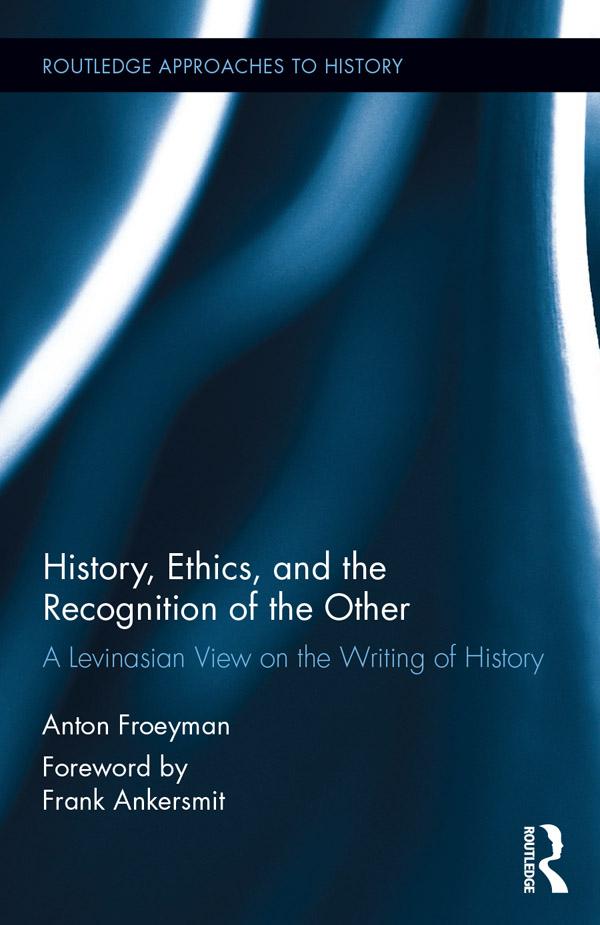
This book introduces a new way of looking at the writing of history. Rather than as the production of knowledge or the telling of stories, it sees writing history as an ethical, existential and emotional engagement with the people from the past. The conceptual and philosophical basis for this view is provided by the philosophy of Emmanuel Levinas. In the first part, the view is presented and contrasted with other, competing views, such as those of Hans-Georg Gadamer and Michel Foucault. In the second part, the view is argued for, most importantly by an in-depth discussion of one specific tradition of history-writing (microhistory), and a series of close readings of several classical works from the history of historiography. The third part, finally, explores some of the methodological consequences of this view, and applies it to a non-academic way of dealing with the past, namely historical performance practice in music. The book features a foreword by Frank Ankersmit.
Betaal eenvoudig met kaart, Klarna, Apple Pay of Google Pay. Niet tevreden? Je hebt altijd 14 dagen bedenktijd. Lees meer in onze voorwaarden. Heb je vragen, mail ons dan via hello@memmo.org.
Memmo maakt studeren makkelijker – waar je ook bent ter wereld. Wij brengen je cursusboeken en slimme studietools samen op één plek: samenvattingen, quizzen, podcasts en flashcards. En Ted, je studievriend die antwoord geeft op alles wat je je afvraagt. Meer dan 50.000 studenten studeren hier al – gebouwd om je sneller te laten leren en minder stress te geven.